

Greek table olive exports decline for first time in a decade amid US tariffs and Egyptian competition
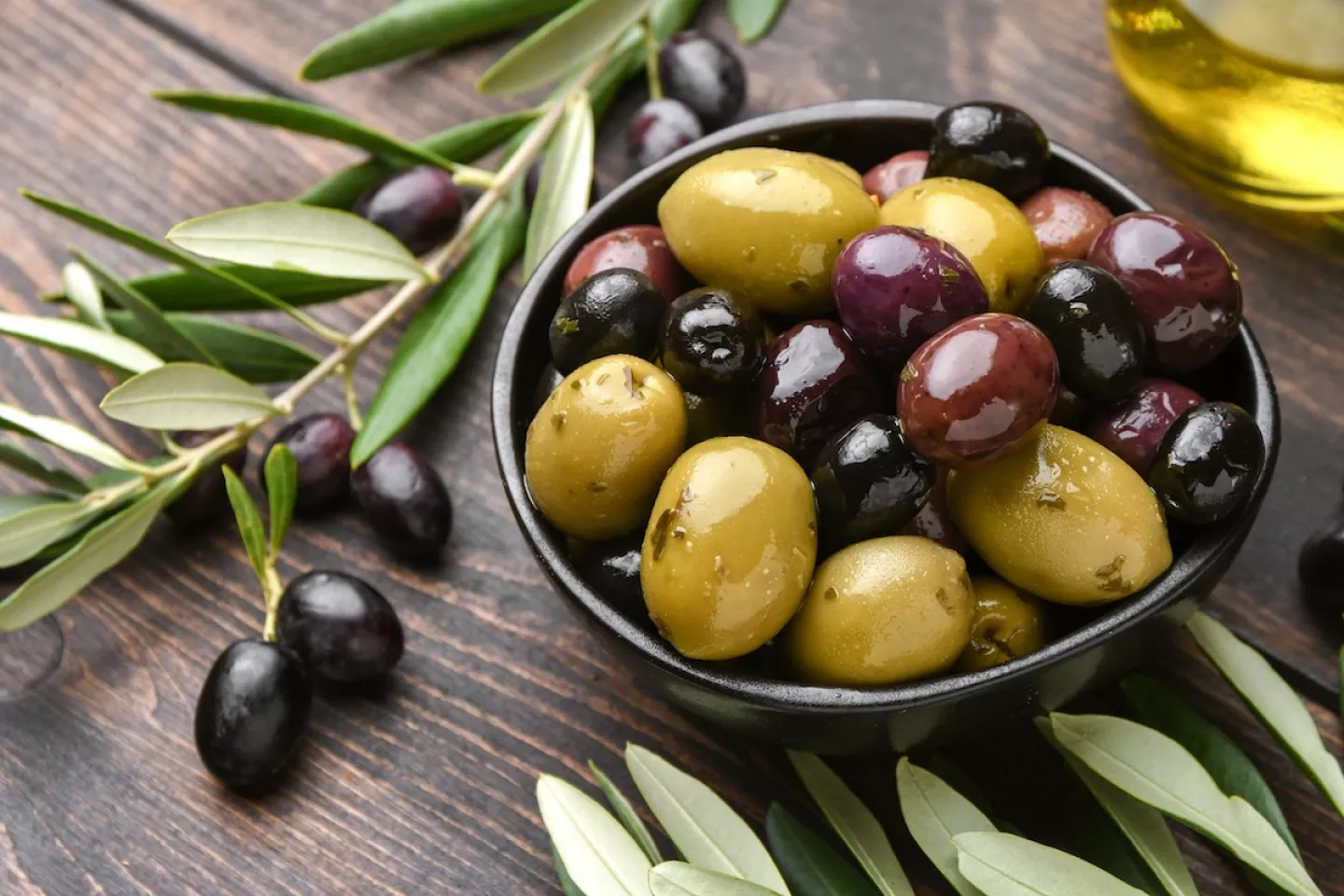
Greece recorded its first decline in table olive exports in a decade during the first half of 2026, amid intensifying international competition and trade restrictions. According to the Hellenic Statistical Authority (ELSTAT), export volumes fell by 2.25%, while export value declined by nearly 1%. The main factors behind the downturn were US import tariffs, weakening demand in the German market and growing competition from Egyptian producers.
Competition is becoming particularly intense in Australia, where Greek olives have traditionally held a leading position. Greece remains Australia’s largest supplier of table olives, accounting for approximately 70–80% of annual imports, which total around 17 thsd tons. However, Egyptian producers are increasingly competing with Greek products, putting additional pressure on exporters. Meanwhile, US tariffs are complicating access to another important export market.
The deterioration in export performance follows a record year in 2025, when Greece shipped 282 thsd tons of table olives to international markets, worth a total of €872 mln. According to the Greek Association of Table Olive Processors, Packers and Exporters (PEMETE), the country exports more than 90% of its domestic production. This heavy dependence on foreign markets makes the industry particularly vulnerable to changes in trade policies, demand and international competition.
A sharp decline in producer prices has created an additional challenge for Greek growers. In the 2026/27 season, prices for large Chalkidiki table olives fell to approximately €1.10/kg from €1.80/kg a year earlier, a drop of nearly 39%. Local farmers also expect the region’s harvest to fall by half, although representatives of the processing industry dispute these estimates. Chalkidiki olives account for around 40% of Greece’s table olive production and half of its exports.
The outlook is somewhat more favorable for growers of Kalamon olives, internationally marketed as Kalamata olives. Producer prices are currently around €2/kg, while the harvest is expected to match last season’s level of approximately 100 thsd tons. However, industry associations warn that pest damage and adverse weather conditions could affect product quality and further weaken Greece’s export competitiveness. Amid rising production costs, farmers are calling on the government to introduce minimum guaranteed purchasing prices to ensure production profitability.
Read also
Egyptian urea prices rise to $535 per ton amid gas supply restrictions
Indonesia’s palm oil production could fall 10% in 2027 due to El Niño
Brazil sharply increases soybean and corn exports through northern ports
21% drop in milk prices accelerates dairy herd decline in the EU
Ireland cuts oat planting area by 29% in 2026




Got additional questions?
We will be happy to assist!
Write to us
Our manager will contact you soon