

Egyptian urea prices rise to $535 per ton amid gas supply restrictions
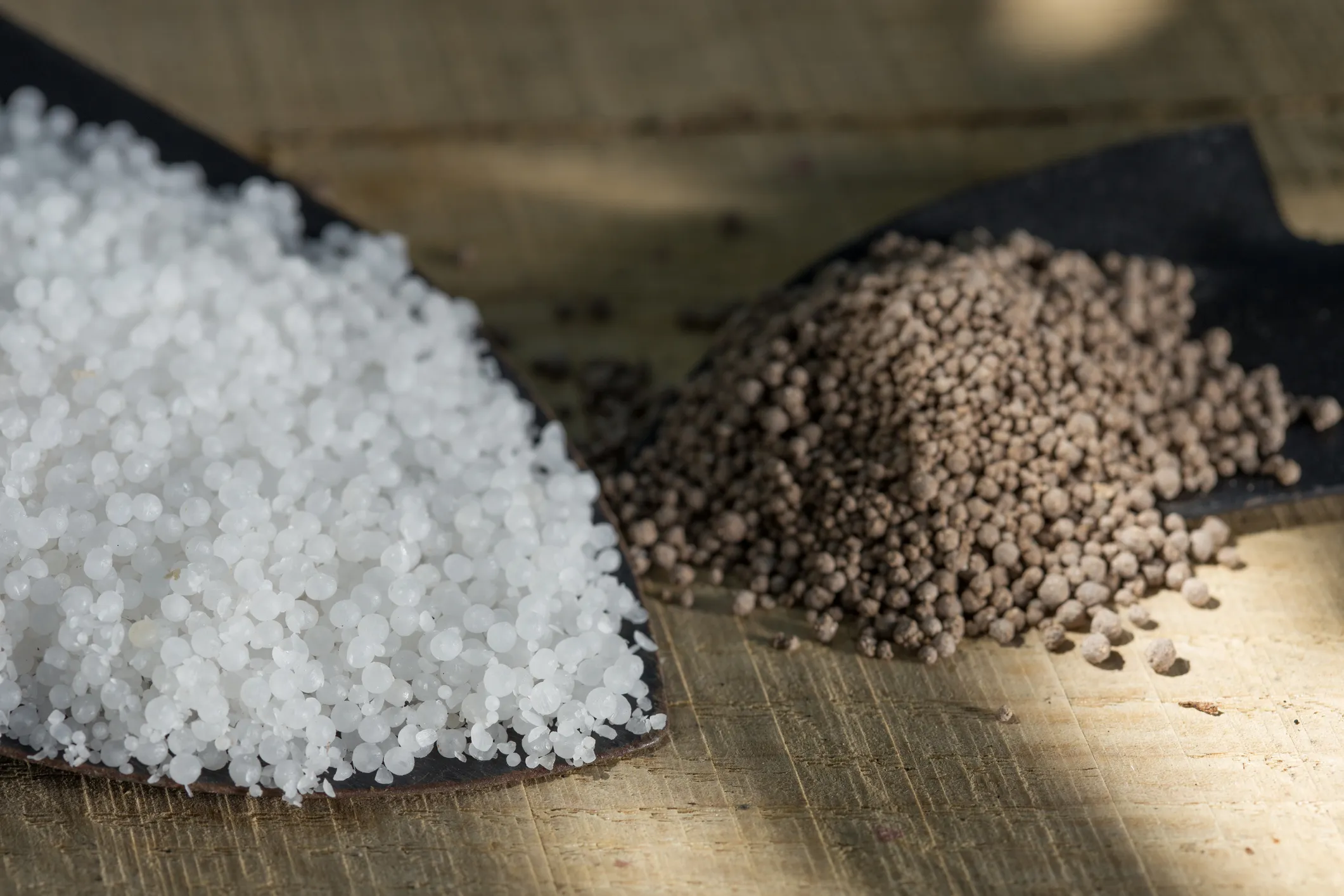
Export prices for Egyptian granular urea rose to $535/ton FOB in November 2026, approximately 17% above the September level of $457/ton. According to Egypt’s Chemicals and Fertilizers Export Council, the increase comes amid reduced natural gas supplies to nitrogen fertilizer producers. CommodityScope data indicates that Egyptian urea is currently the most expensive among major supplying regions, exceeding prices from China, other Middle Eastern countries, Nigeria and Algeria.
One of the main drivers of higher prices has been restrictions on natural gas supplies, which are essential for nitrogen fertilizer production. Egyptian producer Kima reported a 20% reduction in natural gas deliveries starting November 1. However, the company said its urea plant continues to operate normally. Another major producer, Mopco, also confirmed that operations are continuing but said production is being adjusted according to available gas supplies.
Egypt remains an important supplier of nitrogen fertilizers to international markets. According to the country’s Ministry of Petroleum, total urea production capacity stands at approximately 6.5 mln tons annually, while domestic consumption is estimated at 2.9 mln tons. This leaves a potential exportable surplus of around 3.6 mln tons per year. Prolonged gas supply restrictions could negatively affect plant utilization rates and export availability.
Despite energy supply challenges, Egypt’s exports of chemicals and fertilizers continue to grow. In January–September 2026, their total value reached $9.54 bln, up 34% compared with the same period last year. Fertilizers accounted for $2.53 bln in export revenue. Producers are currently continuing to meet their commitments to domestic consumers and foreign buyers, although future developments will depend on the stability of natural gas supplies.
Higher Egyptian urea prices could increase upward pressure on international nitrogen fertilizer markets, particularly if production restrictions persist. However, the extent of any potential supply reduction will depend on the duration of gas restrictions and actual operating rates at individual plants. For fertilizer importers, rising prices from one of the major exporting origins could mean higher purchasing costs ahead of the next fertilizer application season.
Read also
China shifts pumpkin seed exports from Europe to Asian markets
Lithuania could delay Russian grain exports for months over origin checks
Indonesia’s palm oil production could fall 10% in 2027 due to El Niño
Brazil sharply increases soybean and corn exports through northern ports
21% drop in milk prices accelerates dairy herd decline in the EU




Got additional questions?
We will be happy to assist!
Write to us
Our manager will contact you soon