

Grains vs Oilseeds: The Battle for Ukraine’s Export Capacity
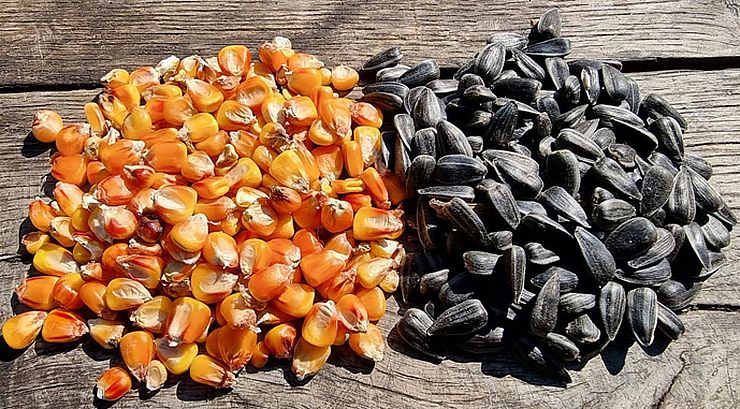
UkrAgroConsult has cut its forecast for Ukrainian grain exports by 4.4 million tonnes to 25.8 million tonnes. Slower-than-expected shipments, especially of corn, and low domestic prices discouraging farmer sales are the main reasons for the revision. The latest forecast is the lowest among the seasons covered in the study, extending the decline from the relatively high export levels of earlier years.
Restrictions at Greater Odesa ports following Russian attacks remain the key obstacle to foreign trade. Alternative routes have yet to compensate for the loss of deep-water port capacity, while high inland transport and ocean freight costs are putting additional pressure on exports.
Western railway border crossings and Danube ports still offer scope for increasing shipments. However, security threats, weather-related navigation restrictions and vessel availability will determine how much of this potential can be realised.
A planned increase in railway freight tariffs poses an additional risk to the competitiveness of Ukrainian grain. Potential discounts for rail shipments to Izmail and Reni could support the Danube route, although their effectiveness will depend on actual port capacity.
A possible reduction in domestic oilseed crushing is emerging as a new source of uncertainty. Redirecting sunflower seeds to exports could intensify competition for transport and infrastructure, reduce domestic processing margins and prompt UkrAgroConsult to revise its grain export forecast further downward.
Key trends
- Slower corn shipments and subdued farmer sales are creating conditions for a substantial fall in overall grain exports compared with previous seasons.
- Restrictions at deep-water ports are increasing exporters’ reliance on alternative routes whose capacity remains insufficient to fully offset the loss of maritime shipments.
- Western rail crossings and Danube ports offer potential for higher cargo volumes, but security risks, weather conditions and freight costs continue to constrain their operations.
- Further railway tariff increases could reduce cargo flows, while targeted discounts for the Danube route may help support its competitiveness.
- A possible decline in sunflower seed crushing could intensify competition between grains and oilseeds for railcars, warehouses, border crossings and port terminals, raising the risk of another downward revision to the export forecast.
Would you like to receive the full analytical report with all insights and data? Please complete the form to gain access to the material. The full version will be sent to your email.
Full version of the article is available to subscribers ‘BLACK SEA & DANUBE GRAIN REPORT’ and ‘BLACK SEA & DANUBE OILSEED REPORT’. You may request a sample report and apply for subscription. Be confident with your business strategy based on professional analysis and forecasts of the Black Sea & Danube agri market!
Read also
India more than doubles sunflower oil imports in October
Seed and fertilizer shortages threaten wheat sowing in Pakistan
China to suspend additional tariffs on Canadian pork and other products
Shortage of EU-compliant pumpkin seeds could trigger further price increases in 2027
Edible oil prices stabilize but remain influenced by the sunflower oil market




Got additional questions?
We will be happy to assist!
Write to us
Our manager will contact you soon