

Global agricultural support reaches record $950 bln
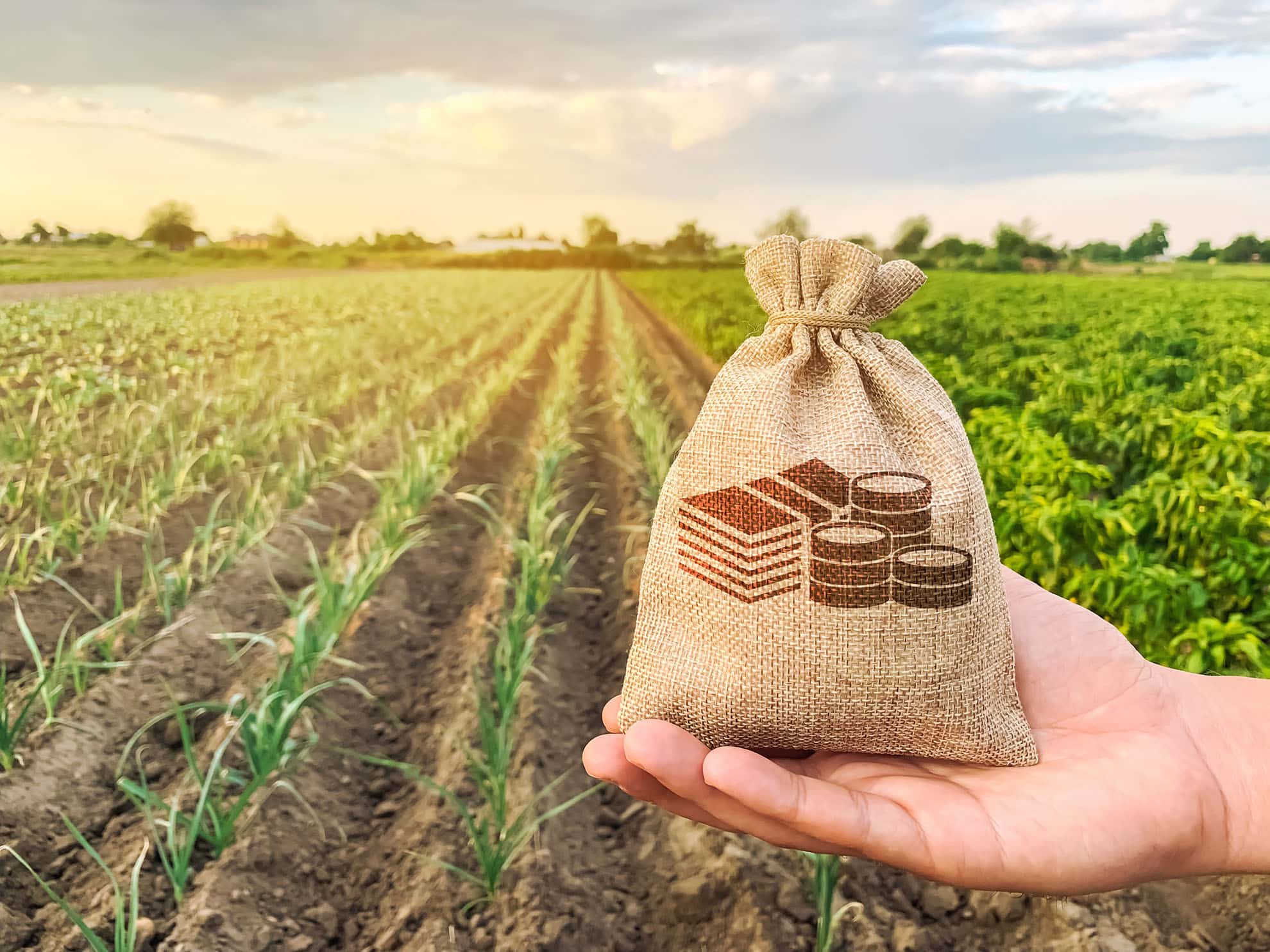
Total government support for agriculture across 56 countries reached a record $950 bln in 2025, increasing by 15%, or $121 bln, compared with 2023. According to the Organisation for Economic Co-operation and Development (OECD), agricultural support as a share of the total value of agricultural production rose from 17.6% to 19.1% over the period. The increase in funding reflects the growing role of governments in the agricultural sector amid economic and market challenges.
Between 2023 and 2025, global agricultural support averaged $885 bln annually. This figure includes not only direct budgetary payments to farmers but also support mechanisms involving the regulation of domestic agricultural prices. According to the OECD, nearly half of all support is provided through measures that most significantly distort production and international trade, including market price support, input subsidies and payments linked to production volumes.
Meanwhile, a significant share of government programs focuses on short-term responses to crises rather than addressing structural challenges in agriculture. Such measures can temporarily support farmers’ incomes but may also affect competitive conditions and market price formation. The OECD emphasizes that excessive reliance on emergency assistance does not sufficiently improve the agricultural sector’s resilience to future economic, climate and production risks.
Despite record levels of overall support, investment in the long-term development of agriculture remains insufficient. In 2023–2025, spending on infrastructure, research, innovation and other general services averaged $118 bln annually. Its share of the total value of agricultural production declined from 4.6% in 2000–2002 to 2.4% in 2023–2025. Meanwhile, annual growth in agricultural total factor productivity slowed from 1.8% in 1991–2000 to 0.8% in 2014–2023.
OECD experts recommend that governments review the structure of agricultural support, gradually shifting their focus from short-term subsidies toward funding research, modern technologies and infrastructure. Particular attention should be given to developing risk management systems, improving the effectiveness of government programs and adapting agriculture to climate change. This approach is expected to improve agricultural productivity, strengthen competitiveness and reduce the need for continuous emergency assistance.
Read also
Environmental restrictions accelerate cattle herd reductions across the EU
India resumes sugar imports after nearly a decade
EU flaxseed imports rise 48% despite logistical constraints
Australia’s major grain and oilseed exports exceed 41 mln tons in MY 2025/26
Baltic ports cannot offset Russia’s lost Black Sea grain exports




Got additional questions?
We will be happy to assist!
Write to us
Our manager will contact you soon