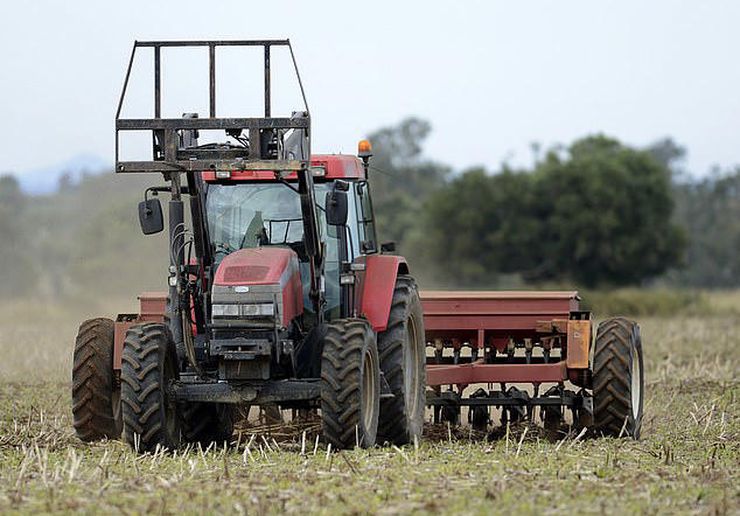
Australian farmers are calling for changes in agricultural practices as a deepening fuel crisis drives up costs and pressures food prices. Pig farmer and food activist Matthew Evans said the situation could ultimately lead to cheaper groceries if producers shift to electric systems and focus on improving soil health.
Evans, who runs a 70-acre farm near Hobart, said the core issue is Australia’s reliance on imported diesel and fertiliser. Disruptions to supply chains quickly translate into higher production costs, which are then passed on to consumers through rising supermarket prices.
He urged farmers to rethink production models and consider electrification, pointing to China as an example of rapid transition. In 2024, China sold more than 12 million electric vehicles, with around half of new car sales being electric, highlighting the potential for broader energy transformation, including in agriculture.
According to Evans, shifting to electric machinery and improving soil quality could reduce farm production costs by around 20% over the next decade. He added that reducing reliance on synthetic fertilisers by investing in soil health would make farms more resilient and sustainable.
However, the situation remains critical, with Evans warning that up to 40% of vegetable growers are cutting back or considering reducing planting due to rising costs. The sector is set to address these challenges at the upcoming Grounded 2026 conference, where farmers, scientists and industry leaders will քննարկ strategies to reduce dependence on fuel and fertiliser.