

FAO forecasts Ukraine’s wheat and corn stocks to rise to 24.3 mln tons
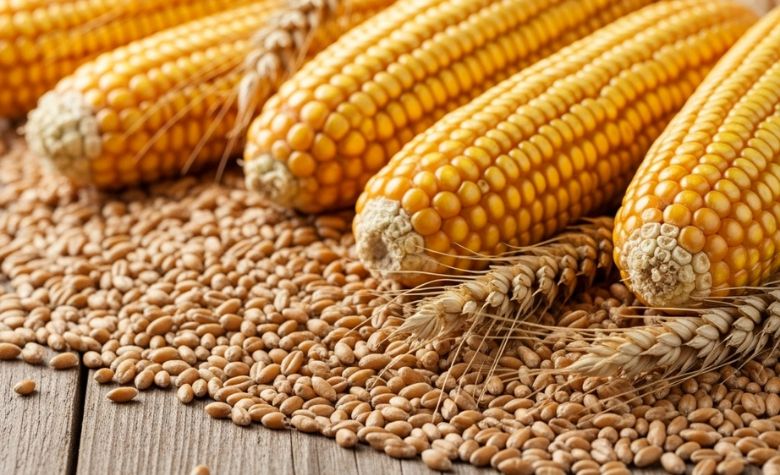
Ukraine’s combined wheat and corn ending stocks could increase 2.3-fold by the end of the 2026/27 marketing year, from 10.5 mln tons to 24.3 mln tons. The main drivers of grain stock accumulation will be limited export opportunities due to disruptions to Black Sea shipping and higher production volumes, according to the November FAO Food Outlook report.
FAO forecasts Ukraine’s wheat production to increase from 23.3 mln tons to 26 mln tons in 2026, while exports are expected to decline from 13.5 mln tons to 12 mln tons. Domestic consumption will remain at 6.1 mln tons. As a result, wheat ending stocks are projected to increase 2.5-fold, from 5.2 mln tons to 13.1 mln tons, compared with an average of just 2.1 mln tons in 2023–2025.
A similar situation is expected in the corn market. Ukraine’s corn production is forecast at 32 mln tons, compared with 30.7 mln tons a year earlier, while exports are expected to decline from 22 mln tons to 20.5 mln tons. With domestic consumption remaining stable at 5.6 mln tons, corn ending stocks could rise from 5.3 mln tons to 11.2 mln tons.
According to FAO, combined grain shipments through Ukraine’s Greater Odesa ports and Russian ports in the Black Sea and the Sea of Azov fell by more than 93% year-on-year in September 2026, from 7.8 mln tons to less than 0.5 mln tons. Alternative export routes through the Danube ports and Ukraine’s western border cannot fully compensate for the loss of deepwater port capacity.
The accumulation of substantial carryover stocks will increase pressure on grain storage facilities, create risks of deteriorating grain quality and potentially weigh on domestic purchase prices. Meanwhile, Black Sea export constraints are reshaping global trade flows, with Argentina, Australia and the EU increasing their shares of the global wheat market.
Read also
Monthly Report «VegOil Market Risk Navigator for Ukraine»
Brazil boosts exports of corn-based feed products driven by Chinese demand
Global nitrogen fertilizer production is declining as affordability for farmers de...
European Parliament approves new labeling requirements for imported organic products
Tuberous pea could become a new source of plant protein




Got additional questions?
We will be happy to assist!
Write to us
Our manager will contact you soon