

European farmers cut fertilizer purchases as high prices threaten crop yields
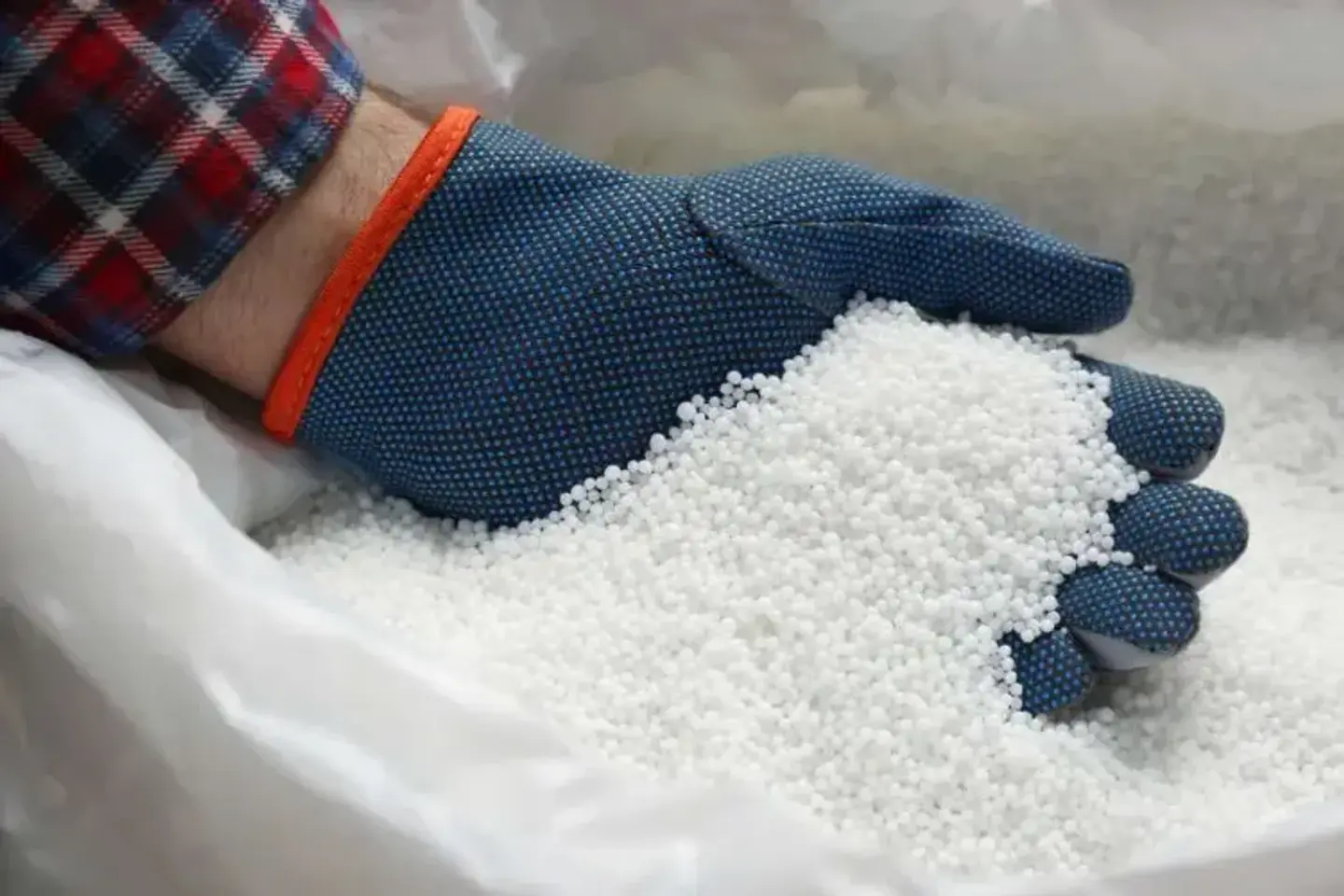
European farmers are reducing fertilizer purchases due to high input costs and supply disruptions, raising risks for future crop yields. According to analytics agency ICIS, demand for nitrogen fertilizers in the EU is currently 20% below normal seasonal levels, while phosphate purchases have fallen by at least 30%.
The market is facing additional pressure from the effects of extreme heat and drought, which have already damaged crops, as well as the war in Iran, which has driven up input costs, particularly diesel fuel. Logistical disruptions along trade routes through the Black Sea and the Strait of Hormuz are adding to the pressure on farmers.
Over the first nine months of the year, fertilizer imports into the EU fell by 25% compared with the five-year average, to 13.8 mln tons. The steepest declines were recorded in Germany, where imports dropped by 56%, Poland, down 50%, and France, down 43%. European fertilizer producers are also facing high raw material costs.
Rabobank analysts warn that fertilizer supply risks will increase as spring approaches, putting additional pressure on supply chains. Farmers still have time to replenish stocks before spring nitrogen applications for winter wheat and rapeseed begin in late February, followed by applications for spring crops. However, delivery delays could complicate preparations for the season.
The introduction of a carbon border levy on imported fertilizers into the EU from January will add another potential cost factor. This could increase financial pressure on farmers amid high prices and dependence on external suppliers. Reduced fertilizer use or delayed application could negatively affect crop yields, although the scale of the potential impact will depend on future price developments and supply conditions.
Read also
ADM to increase US corn processing by 500 thsd tons annually amid rising biofuel d...
Global lentil production to decline by 9.4% in 2026/27
Wheat market sees hope for Black Sea grain deal despite Russia’s doubts
Waiting at Sulina could cost a vessel up to $160 thsd
Monsoon rainfall deficit slows wheat sowing in India




Got additional questions?
We will be happy to assist!
Write to us
Our manager will contact you soon