

EU soybean harvest to fall 20% in 2026 to 2.4 mln tons
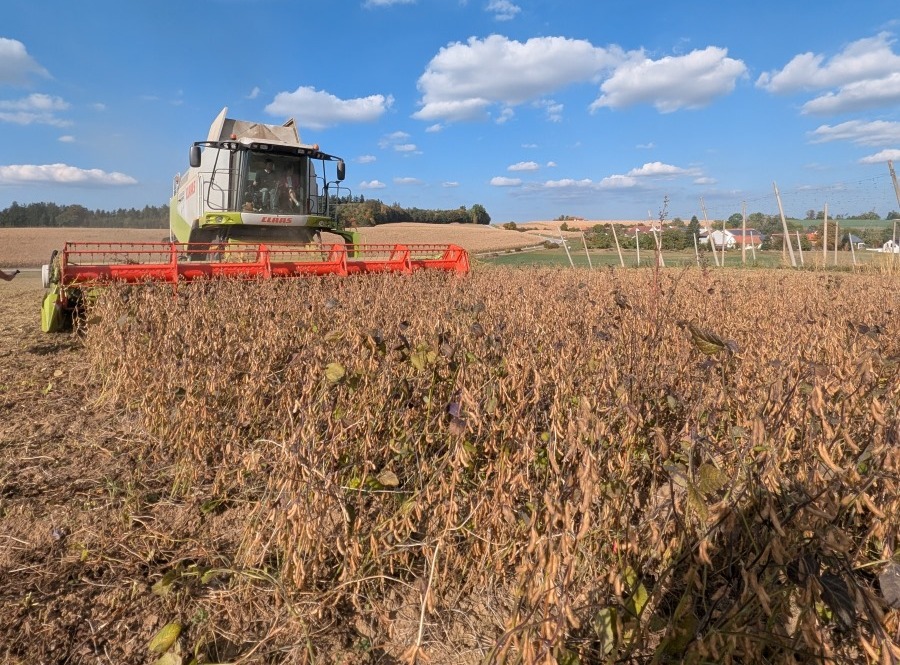
Soybean production in the European Union is expected to decline by approximately 20% in 2026 compared with the previous year, reaching 2.4 mln tons. According to a new report by Donau Soja, the main factors behind the lower harvest are prolonged heatwaves, drought and reduced planting areas across most European countries. Average soybean yields in the EU are estimated at 2.24 t/ha, approximately 15% below the five-year average.
Italy remains the EU’s largest soybean producer, with production expected at around 900 thsd tons, down 15% year-on-year. In Austria, output could fall by 36% to 180 thsd tons. Meanwhile, Poland and Germany are showing the opposite trend. Poland is expected to become the EU’s third-largest soybean producer, with a harvest of 264 thsd tons, an increase of more than 15% compared with last year. Germany’s soybean production is forecast to rise by 2.4% to 134 thsd tons.
In Ukraine, which remains one of Europe’s key suppliers of non-GM soybeans, production in 2026 is estimated at 4.4 mln tons, down 10% year-on-year. Adverse weather conditions and lower production have been accompanied by weaker export activity. In September, Ukraine exported only around 27 thsd tons of soybeans, approximately one-third of the volume shipped in the same month of 2025.
The smaller harvest will increase the European Union’s dependence on soybean imports. According to Donau Soja, the EU’s soybean self-sufficiency rate could decline to approximately 6% in the 2026/27 marketing year, compared with 8% in 2025/26. This means that the vast majority of European soybean demand will continue to be met through imports. At the same time, rising production in Poland and Germany demonstrates the potential to expand soybean cultivation within the EU.
Donau Soja General Manager Aurélie Tournan emphasized that Europe’s low level of soybean self-sufficiency creates vulnerabilities in its food system. According to her, increasing domestic production requires political support, investment and stronger regional supply chains — from farmers and processors to feed and food manufacturers. Expanding European soybean production would help reduce import dependence and strengthen the agricultural sector’s resilience to external risks.
Read also
Onion prices rise in Uzbekistan despite production exceeding domestic demand
The market has already priced in russian wheat: What are the risks for Ukraine?
Palm oil glut in Malaysia threatens small producers and farmers
Brazil faces poultry export restrictions in key markets
Global rice prices reach nearly two-year high amid El Niño concerns




Got additional questions?
We will be happy to assist!
Write to us
Our manager will contact you soon