

EU completes agreement on trade agreement with US
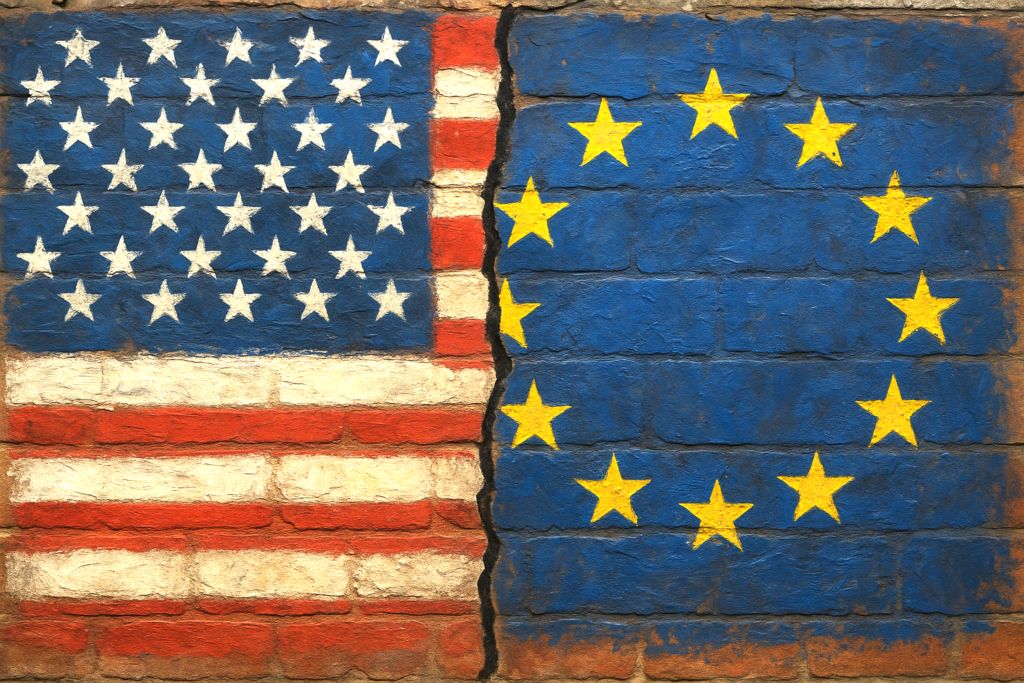
The European Union has finalized the text of its trade agreement with the United States after months of complex negotiations. This clears the way for ratification ahead of the deadline set by US President Donald Trump, who has threatened to impose higher tariffs on European exports if the deal is not implemented on time.
The agreement предусматриes the EU scrapping tariffs on US industrial goods in exchange for a 15% tariff cap on European exports to the United States. The deal now awaits approval from the European Parliament and EU member states. Trump previously warned that if the agreement is not in force by July 4, the US will raise tariffs on European automobiles from 15% to 25%.
The new arrangement is expected to ease transatlantic trade tensions, which have intensified in recent weeks amid Washington’s increasingly aggressive rhetoric on economic relations with Europe and the war in Iran. EU Trade Commissioner Maroš Šefčovič said the agreement would help ensure a more stable and predictable partnership between both sides.
For the agricultural sector, the deal is also highly significant. The EU remains one of the largest importers of US agricultural products, including soybeans, corn, feed ingredients, and processed goods. Lower tariffs on US agricultural products will strengthen their competitiveness in the European market, while other suppliers will find it more difficult to compete due to higher costs and less favorable trade conditions.
At the same time, the final text includes additional safeguards regarding steel and aluminum tariffs. The agreement allows the European Commission to suspend the deal if, after 2026, US tariffs on steel- and aluminum-related products exceed 15%. Brussels also retains the right to respond if Washington fails to meet its commitments.
Markets are now focused on the US reaction to the EU’s amendments. US officials had previously warned Brussels not to revise the original terms of the deal. Despite this, the EU expects ratification to help reduce trade tensions and provide more stable conditions for global trade, including agricultural markets.
Read also
Romania proposes joint NATO command to protect the Black Sea
Drought in India threatens sugar and biofuel production
Record sunseed harvest in Russia threatens to drive down prices in Kazakhstan
Corn drying costs in Ukraine could exceed the value of the grain at current prices
Oilseeds remain the only profitable segment of crop production in Russia




Got additional questions?
We will be happy to assist!
Write to us
Our manager will contact you soon