

EU and Indonesia sign free trade agreement covering 98.5% of tariff lines
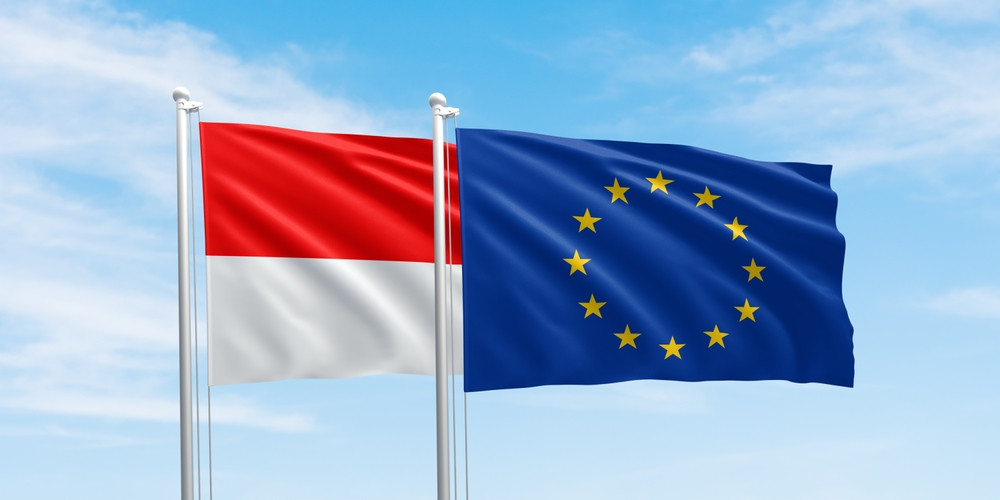
The European Union and Indonesia signed a major free trade agreement on November 21, 2026, following nearly ten years of negotiations. The agreement provides for the gradual elimination of tariffs on 98.5% of tariff lines in bilateral trade, creating new opportunities for agricultural and industrial exports. According to European Commission President Ursula von der Leyen, the agreement brings together a market of approximately 730 mln people and will help diversify trade relations amid growing global economic uncertainty.
Trade in palm oil, of which Indonesia is the world’s largest producer, will be one of the key areas of cooperation. The agreement aims to improve access for Indonesian products to the European market, including a duty-free tariff-rate quota for crude palm oil and palm kernel oil. At the same time, both sides have agreed on a dedicated palm oil protocol covering cooperation on sustainable production, environmental regulation and deforestation prevention.
European agricultural exporters are also expected to benefit significantly from the agreement. Indonesia will gradually eliminate import duties on most dairy and meat products, as well as processed foods, including confectionery, chocolate, baked goods, canned vegetables and fruit. In 2025, EU agri-food exports to Indonesia amounted to approximately €960 mln. The agreement also provides protection for 221 European geographical indications, strengthening the position of traditional EU products in the Indonesian market.
Despite extensive trade liberalisation, the EU will retain safeguards for certain sensitive agricultural sectors. In particular, rice, sugar, eggs, fresh bananas and ethanol will not receive new preferential access to the EU market, while limited tariff-rate quotas will apply to some other products. Meanwhile, lower tariffs on Indonesian palm oil will not remove EU requirements concerning environmental protection and sustainable sourcing.
Once fully implemented, the agreement is expected to save European companies around €650 mln annually in customs duties. Beyond agricultural trade, the agreement covers investment, energy, electronics, automotive manufacturing and strategic raw materials. Before entering into force, it must complete the necessary approval procedures in the European Parliament and ratification by Indonesia. Implementation is expected to begin in 2027, potentially expanding trade flows between Europe and Southeast Asia.
Read also
Pakistan may import up to 800 thsd tons of additional wheat
Crimean Bridge collapse could delay Russian grain exports from the Azov Sea
Global olive oil production could reach record 3.7 mln tons
African swine fever outbreaks in Ukraine drop 81% over two years
EU wheat exports jump 45% amid Black Sea supply disruptions




Got additional questions?
We will be happy to assist!
Write to us
Our manager will contact you soon