

Ethiopia increases oilseed and pulse exports, but export earnings decline
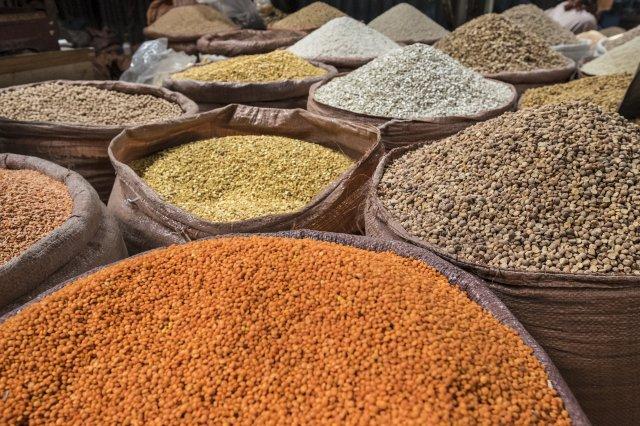
Ethiopia increased its oilseed and pulse exports by nearly 5% to 555 thsd tons in the FY 2025/26. However, export earnings declined by approximately 6%, from over $610 mln to $572.9 mln. One of the factors behind the decline in revenue was falling global prices, particularly for sesame seeds.
Oilseed and pulse export earnings fell approximately $170 mln short of the government’s target of $743 mln. Meanwhile, Ethiopia’s total export earnings increased by 35% to a record $11.2 bln, while the share of oilseeds and pulses in total export revenue declined from 7.35% to 5.1%.
According to the industry association representing more than 500 exporters, Ethiopia is utilizing only around 30% of its potential in the oilseed and pulse sector. Meanwhile, post-harvest losses can reach 25% of production, limiting opportunities to expand export shipments.
To increase export earnings, the Ethiopian government intends to promote domestic agricultural processing, particularly edible oil production, develop storage infrastructure, increase agricultural productivity and improve product quality.
Ethiopia sees additional opportunities to expand its export markets through participation in the African Continental Free Trade Area (AfCFTA) and the completion of negotiations to join the World Trade Organization (WTO). In the FY 2026/27, the government aims to increase the country’s total export earnings by nearly 20% to $13.4 bln.
Read also
Argentina’s agricultural export prices could decline by 16% in the 2026/27 s...
Monthly Report «VegOil Market Risk Navigator for Ukraine»
European Parliament calls for stronger protection of merchant vessels in the Black...
Corn prices in Ukraine fall to their lowest level since 2022 — S&P Global
Egypt temporarily allows unrestricted fertilizer exports and prepares for imports




Got additional questions?
We will be happy to assist!
Write to us
Our manager will contact you soon