

El Niño caused famines in Europe centuries ago
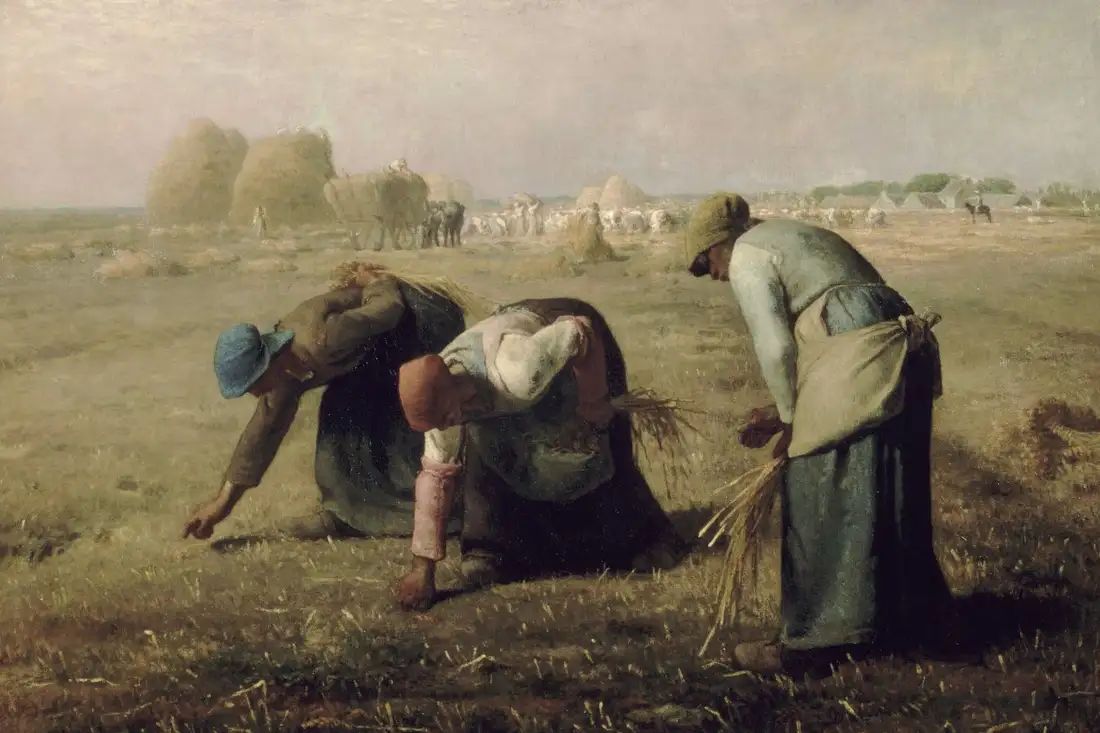
El Niño climate events played a hidden role in the emergence and persistence of famines in early modern Europe.
A study of 160 famine episodes in Europe between 1500 and 1800 identified a clear climatic link. El Niño is the warm phase of the El Niño–Southern Oscillation (ENSO), associated with warming of Pacific Ocean waters. Such events alter global atmospheric circulation, with impacts reaching far beyond the Pacific region.
A research team led by Emil Esmaili of Columbia University analyzed historical records and climate reconstructions. They used tree-ring data to identify ENSO phases. More than 40% of famine events in Central Europe coincided with El Niño episodes, pointing to a systematic climatic influence.
In Central Europe, El Niño typically caused excessive rainfall. Waterlogged soils led to crop failures. Even in cases where famine did not initially begin, the climatic effect prolonged existing crises. The probability of a famine continuing increased by 24%.
The researchers also examined grain and fish prices, which tended to rise for several years following El Niño events. This indicates that the consequences of climatic shifts were not only environmental but also economic. Famine was therefore not solely a natural phenomenon, but also a market-driven one.
“Today, the same weather patterns would have very different consequences,” noted David Ubilava. Modern agriculture is more resilient, while weather forecasting and integrated markets help reduce risks. Nevertheless, the study serves as a reminder that climate and food security have long been closely intertwined.
Read also
Ukraine 2026–2030: Global Drivers and Local Transformation
Ukraine Adjusts to Costly Spring Campaign and Builds a New Farming Model
Thailand promotes the use of B20 biodiesel with subsidies
Ukraine offers new-crop grain without the usual discount to old-crop prices
World Bank develops roadmap to modernise wheat sector in Pakistan



Got additional questions?
We will be happy to assist!
Write to us
Our manager will contact you soon