

Egypt looks to cut dependence on edible oil imports
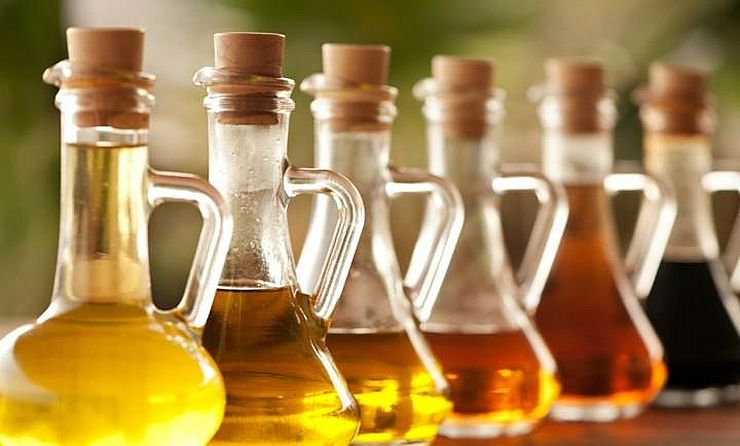
Egypt plans to expand oilseed production to reduce its heavy dependence on edible oil imports. The country currently imports around 90–98% of its edible oil needs, while domestic production covers only 2–10% of consumption.
One of the key options is to expand canola and sunflower cultivation. Canola is being considered as a winter crop, while sunflower could be grown in summer, including on newly reclaimed land under the New Delta project.
Other potential crops include sesame, soybeans, cottonseed and olives. Particular attention is being given to expanding olive varieties intended for oil production, as around 75% of Egypt’s current olive area is planted with varieties used for pickling.
According to Egypt’s Ministry of Agriculture, major land reclamation projects have already added around 2.2 mln feddans to the country’s agricultural area. Part of this land is expected to be used to expand oilseed production.
Egypt is also developing early-maturing varieties of corn, canola and sunflower, while seeking greater use of cottonseed and soybeans. The goal is to gradually narrow the edible oil import gap and reduce foreign currency spending on vegetable oil purchases.
Read also
Algeria announces tender to purchase 50 thsd tons of wheat
Just 5% of dairy farms account for over 60% of Brazil’s milk production
Vessel queue at Sulina rises to 95, with at least 10 days needed to clear congestion
Palm oil remains a key issue in Malaysia-EU free trade negotiations
China becomes Canada’s second-largest beef export market following reopening




Got additional questions?
We will be happy to assist!
Write to us
Our manager will contact you soon