

Corn prices rise in China while soybean meal falls sharply
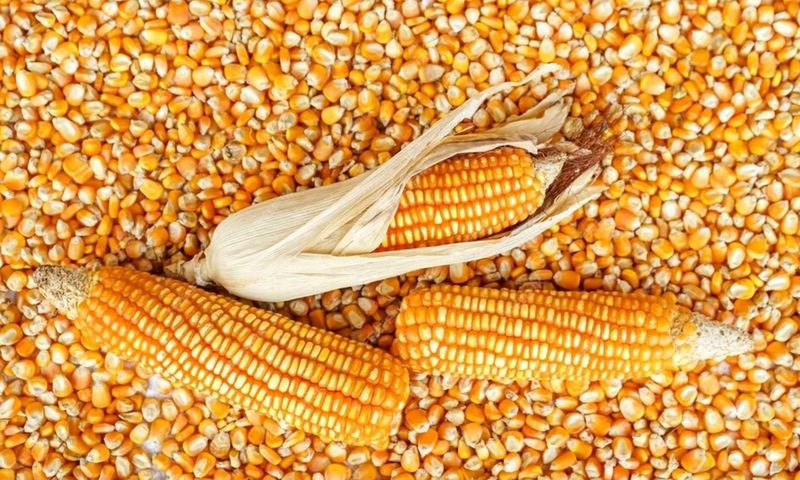
China’s feed commodity market showed divergent price trends in early November 2026. Corn was among the few agricultural commodities to record price gains, while soybean meal and soybeans declined significantly. According to the National Bureau of Statistics of China, prices for Grade II yellow corn increased by 1% during November 1–10 compared with late October, reaching 2,152.6 yuan/ton ($320.61/ton). Meanwhile, soybean meal containing at least 43% crude protein fell by 3.3% to 3,144.1 yuan/ton ($468.28/ton).
Corn prices increased by 20.9 yuan/ton ($3.11/ton) compared with the previous reporting period, when they stood at 2,131.7 yuan/ton ($317.50/ton). Other major grains showed considerably weaker price movements. Grade III wheat prices rose by just 0.2% to 2,454.3 yuan/ton ($365.54/ton), while japonica rice declined by 0.2% to 3,978.9 yuan/ton ($592.62/ton). Thus, corn recorded a more pronounced price increase than other major grain commodities.
In contrast, the soybean products market was dominated by declining prices. Soybean meal prices dropped by 105.7 yuan/ton ($15.74/ton), from 3,249.8 yuan/ton ($484.03/ton) to 3,144.1 yuan/ton ($468.28/ton). Meanwhile, soybean prices fell by 1.8%, or 91.7 yuan/ton ($13.66/ton), to 4,866.5 yuan/ton ($724.82/ton). As a result, soybean meal declined faster than soybeans in percentage terms, indicating relative price weakness in this key protein feed ingredient.
The divergent price movements of corn and soybean meal are particularly important for China’s feed manufacturing and livestock industries. Higher corn prices increase the cost of the energy component in animal feed, while cheaper soybean meal partially offsets this impact by reducing protein ingredient costs. Meanwhile, live hog prices in China dropped by 6.5% during the first ten days of November to 8.7 yuan/kg ($1.30/kg). This puts additional pressure on the profitability of pig farming operations, despite lower prices for some feed ingredients.
Overall, China’s commodity markets experienced a predominantly downward price trend in early November. Of the 50 major raw materials and production inputs monitored by the National Bureau of Statistics, 32 recorded price declines, 16 increased, and two remained unchanged. Future price movements in the feed commodity market will depend on domestic grain and oilseed supplies, demand from feed manufacturers and livestock producers, and the cost of imported agricultural commodities.
Read also
Morocco expects tomato, potato and onion prices to decline within three weeks
Malaysian palm oil prices fall on high inventories despite expected production dec...
Global oil market is returning to surplus, but diesel shortages persist — IEA
American restaurants begin experimenting with Ukrainian dishes
Record sunflower acreage in Moldova puts pressure on farmgate prices




Got additional questions?
We will be happy to assist!
Write to us
Our manager will contact you soon