

Chinese scientists create glowing plants for lighting
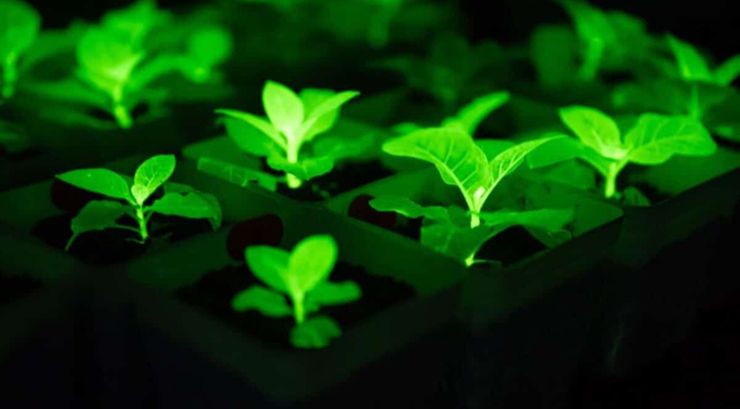
Chinese scientists have unveiled genetically engineered plants capable of glowing in the dark, a breakthrough researchers say could transform urban lighting, tourism and sustainable design.
Developed using gene-editing technology, the bioluminescent plants emit a soft natural glow after researchers successfully transferred light-producing genes from fireflies and luminous fungi into plant cells.
So far more than 20 species – including orchids, sunflowers and chrysanthemums – have already been engineered to shine at night.

“I was born in the countryside. Back then, my family didn’t have any money, so at night I could do nothing but lie in a hammock in my grandfather’s bamboo grove to cool off. Fireflies often landed on my arms,” recalled Dr Li Renhan, founder of biotechnology company Magicpen Bio and a Ph.D. graduate of China Agricultural University.
The plants were recently demonstrated publicly at the Zhongguancun Forum, where researchers examined experimental specimens and showcased flowers emitting visible light without external power sources.
According to Li, the technology’s potential goes well beyond aesthetics. Bioluminescent plants could provide illumination for parks and public spaces without electricity, relying only on water and nutrients to function.
“Beyond tourism, we could also use them in urban parks without the need for electricity,” he explained, describing the system as highly efficient and low-carbon. “These plants don’t need electricity. They only need water and fertiliser. They save energy, reduce emissions, and can light up cities at night.”
Researchers say similar techniques are already helping scientists observe how diseases develop at a cellular level, accelerating drug discovery and improving treatments for previously difficult conditions.
In agriculture, by editing susceptibility genes in rice, scientists have bred new strains resistant to multiple pests, providing a solid foundation for global food security.
Read also
Egypt cuts wheat imports from Ukraine and Russia, increases purchases from other c...
Seaport blockade could cost Ukraine’s agricultural sector $4.6 bln in export...
Brazil increases its share of EU soybean imports to 78%, displacing other suppliers
Late winter wheat sowing in Ukraine increases risk of crop damage during winter
European wheat prices rise on weaker euro and Black Sea concerns




Got additional questions?
We will be happy to assist!
Write to us
Our manager will contact you soon