

Canada: Government to invest in biofuel production
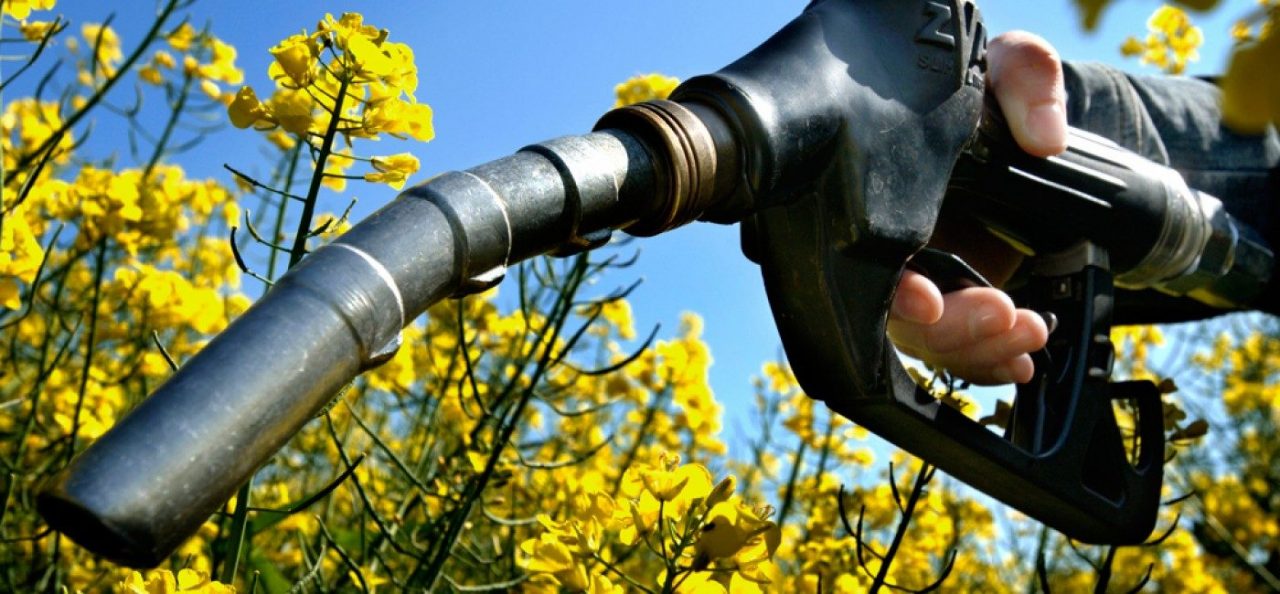
The federal government will invest $370 million in a new biofuel production incentive.
Prime Minister Mark Carney announced the new investment Friday morning as part of a new slate of measures to transform Canada’s strategic industries and help businesses in the face of tariffs and job loss.
“Canada’s government will introduce a new biofuel production incentive, providing more than $370 million to assist domestic producers and help them restructure their value chains,” Carney said.
The measure is meant to address competitiveness for Canadian canola farmers and other producers.
Carney also promised the government will make “targeted amendments” to the clean fuel regulations to “spur the development of a vibrant biofuels industry in Canada,” temporarily increase loan limits for Canadian canola producers to half a million dollars, and invest in agri-marketing and trade diversification measures “to support our entire agriculture and seafood sectors.”
It will also extend reimbursement timelines and introduce new non-reimbursable contributions up to one million dollars in all sectors, including agriculture.
The new measures also included a more comprehensive “Buy Canadian” strategy, “that will move from best efforts to buy Canadian to a clear obligation to do so.”
Several agriculture organizations commended the government on its announcement.
The Canadian Pork Council (CPC) called it an “indication the Government of Canada is taking a broader economic approach to” issues like tariffs and agri-marketing.
“We look forward to continuing our work with the Government of Canada, and governments at the provincial level, to increase our sector’s economic impact for all Canadians,” said CPC chair René Roy in a Friday release.
The Agricultural Producers Association of Saskatchewan welcomed the new measures, noting several of the initiatives aligned with its previous requests.
“These are positive and necessary steps forward, and they reflect progress on the priorities we’ve raised with the federal government,” said APAS President Bill Prybylski in a written release. “The expanded interest-free Advance Payments limits and AgriMarketing focus on market diversification are critical tools for Saskatchewan farmers dealing with the fallout from global trade disputes — it’s good to see the government responding to these pressing needs while also noting the omission of any explicit supports for the pulse sector.”
Prybylski also noted the government’s omission of any mention of the pulse sector and the recent losses experienced by farmers.
A representative from the government of Saskatchewan also told Glacier FarmMedia via email they were “pleased to see financial support for canola producers” though their “focus remains on the removal of Chinese tariffs on canola.”
Further development of the grain and oilseed markets of Ukraine and the Black Sea region will be in the spotlight of the BLACK SEA GRAIN. KYIV conference, taking place on April 22–23 in Kyiv. The event will focus on strategic directions for the agricultural sector through 2030, including investments, energy independence, processing, and exports of high-value products.
Join strategic discussions and networking with industry leaders to gain актуальна insights, discover new business opportunities, and build partnerships with key market players.
Read also
Poland Rapeseed Market Enters a Phase of Feedstock Deficit and Rising Competition
UK scientists develop soy traceability tool to combat deforestation
Truce did not calm the markets: Strait of Hormuz is almost blocked, crude oil pric...
Black Sea & Danube: Crop and Export Forecast
USDA analysts left unchanged the forecast of corn exports from Ukraine




Got additional questions?
We will be happy to assist!
Write to us
Our manager will contact you soon