

Brazil’s record soy harvest could crush global prices in 2026
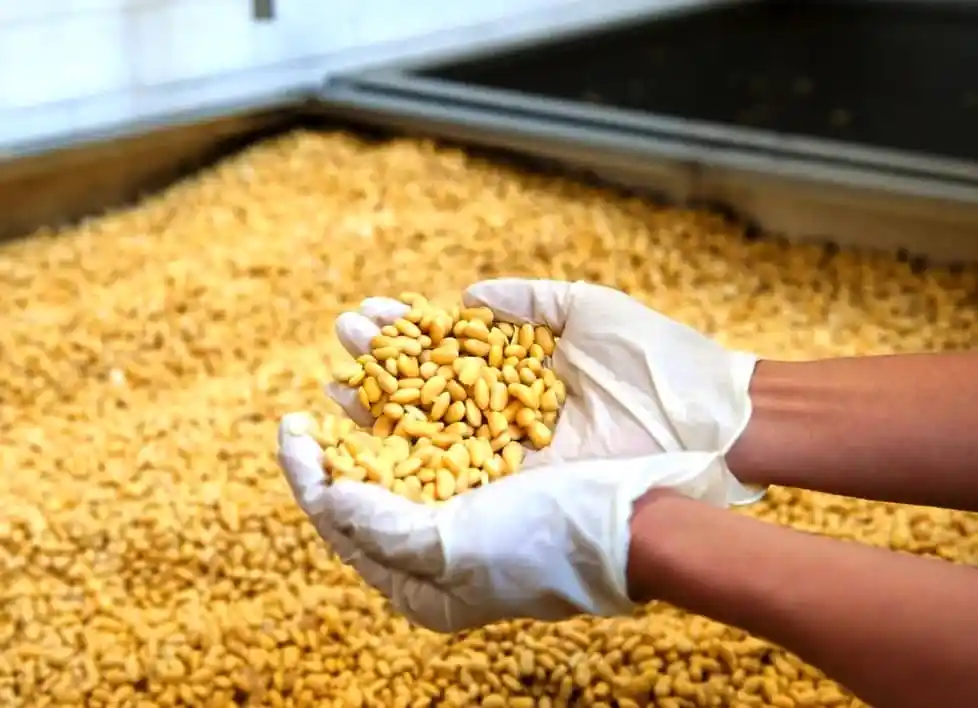
Brazil is set to harvest a record 177.1 million metric tons of soybeans in early 2026, a development that could have far-reaching implications for global markets and farmer profitability. As the world’s largest soybean exporter, Brazil is expanding production faster than global demand, raising concerns about oversupply and downward pressure on prices.
Although output is expected to rise by a relatively modest 3.3% year on year, analysts warn that structural factors — expanding acreage, growing domestic stockpiles and trade uncertainty — could converge to tighten margins for farmers in both South America and the United States. “We’re growing at a scale that exceeds demand,” said Thiago Facco, vice president of Aprosoja Tocantins, warning that excess production could emerge in the near future.
Global soybean inventories are already climbing, while Brazilian processors and exporters are facing logistical and economic challenges. According to Brazil’s oilseed crushers association Abiove, the country’s ending soybean stocks in 2026 are projected to be the highest in nine years, even as biodiesel demand continues to support some domestic consumption.

U.S. soybean farmers are also likely to face mounting competitive pressure. Despite President Donald Trump’s efforts to secure large soybean purchases from China, actual shipments have fallen short. Since October, China has bought only 3.2 million tons of U.S. soybeans, well below the 12 million tons promised by the end of the year.
If Beijing continues to channel purchases toward Brazil — as it did in 2025, when Brazil shipped a record 104.8 million tons, 79% of which went to China — U.S. exports could stagnate just as Brazilian supplies surge. Conversely, if China shifts back toward U.S. soybeans under political pressure, Brazilian beans could pile up in storage, further weighing on global prices.
Chicago soybean futures, which are up about 8% so far this year, have already begun to slip on expectations of oversupply. Analysts at Itaú BBA caution that if Brazil’s record harvest materializes, some form of price correction in Chicago is likely. While weather risks linked to La Niña — including irregular rainfall in southern Brazil and Argentina — could still affect yields, absent a major crop failure the expected volumes are likely to test the limits of global demand in 2026.
Read also
Coming Up in UkrAgroConsult Reports: Key Market Signals
EU dairy exports rise nearly 12%, but production surplus persists
Mexico increases corn imports to 19.46 mln tons in nine months
Chile’s olive oil production falls 17% due to heat and water shortages
Brazil expands chicken exports to Africa following Sudan market opening




Got additional questions?
We will be happy to assist!
Write to us
Our manager will contact you soon