

Brazil’s fertilizer imports fell 34%, while domestic production dropped 40%
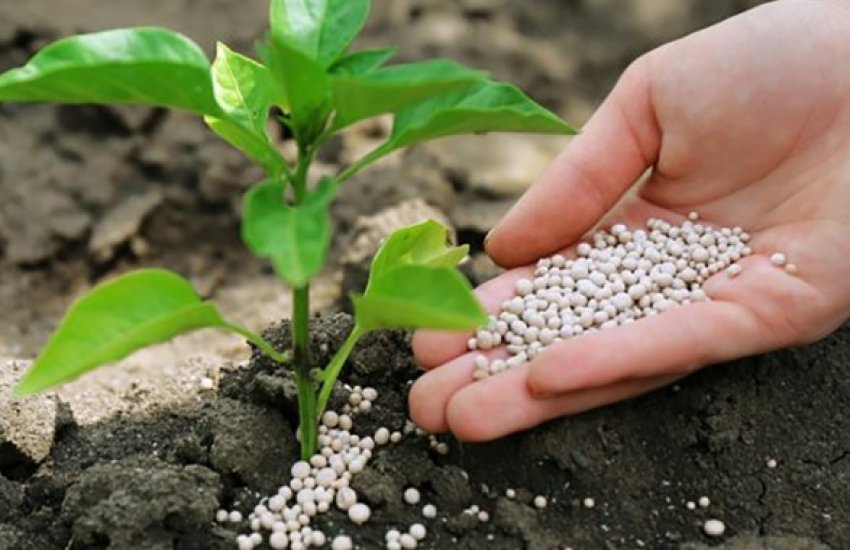
Brazil recorded a sharp decline in fertilizer imports and domestic production in August 2026 amid weakening purchasing activity among farmers. According to the National Fertilizer Association (ANDA), imports of intermediate fertilizers fell by 34% year on year to 3.03 mln tons. Meanwhile, domestic production dropped by 40.2% to 418 thsd tons. These figures indicate a simultaneous contraction in foreign supplies and domestic fertilizer output.
In January–August 2026, Brazil imported 24.27 mln tons of intermediate fertilizers, down 12% from 27.58 mln tons during the same period last year. Domestic production over the eight months declined by 22.7%, from 4.86 mln to 3.75 mln tons. However, ANDA noted that the statistics do not fully cover the production of certain fertilizer products, particularly urea and potassium chloride, due to reporting limitations involving companies that are restarting operations or restructuring their production activities.
Total fertilizer deliveries to the Brazilian domestic market reached 27.31 mln tons in January–August, down 10.4% from 30.47 mln tons a year earlier. The sharpest decline was recorded in August, when deliveries fell by 17.6% to 4.33 mln tons, compared with 5.25 mln tons in August 2025. According to the association, following a relatively active start to the year, new purchasing activity weakened amid the conflict involving Iran and broader geopolitical uncertainty. Fertilizer deliveries have been declining since May.
Mato Grosso remained Brazil’s largest fertilizer-consuming state, receiving 6.77 mln tons during the first eight months of the year, accounting for 24.8% of the national total. It was followed by Paraná with 3.07 mln tons, Goiás with 2.9 mln tons, São Paulo with 2.79 mln tons, Rio Grande do Sul with 2.24 mln tons, Minas Gerais with 2.07 mln tons, and Bahia with 1.96 mln tons. The Port of Paranaguá remained the country’s main fertilizer import gateway, handling 5.83 mln tons in January–August, down 17.7% year on year. The port accounted for approximately 24% of Brazil’s total fertilizer imports.
The decline in fertilizer deliveries comes amid expectations of a large grain and oilseed harvest in Brazil, which continues to support substantial agricultural demand for mineral fertilizers. At the same time, market participants are entering a critical period for purchasing agricultural inputs amid farmers’ limited financial resources and slowing imports. ANDA emphasized that the main changes in the market are related less to agricultural fertilizer requirements than to farmers’ purchasing power and the timing of their procurement decisions. Future supply trends will depend on farmers’ financial conditions, import activity, and the stability of fertilizer availability in the domestic market.
Read also
Global beef production to decline for second consecutive year — Rabobank
Bangladesh to reform edible oil and sugar imports to boost competition
Latvia prepares to ban Russian and Belarusian grain transit amid sharp rise in shi...
Ukraine remains the EU’s largest rapeseed supplier despite a 14.6% decline i...
France seeks EU intervention to restore wheat exports to Algeria and fertilizer su...




Got additional questions?
We will be happy to assist!
Write to us
Our manager will contact you soon