

Brazil to harvest nearly 140 mln tons of corn, but domestic demand limits exports
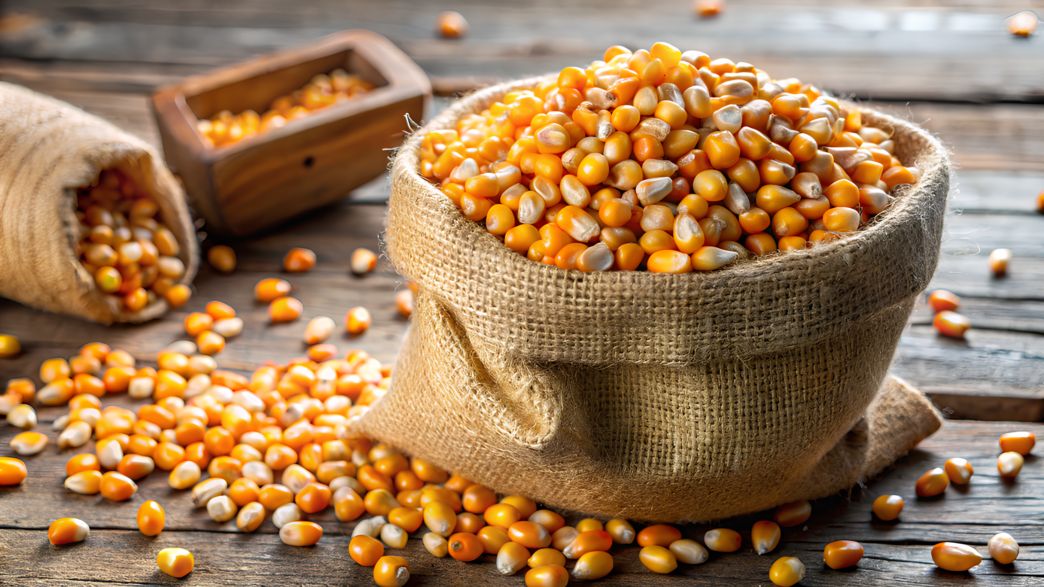
Brazil is expected to produce 139 mln tons of corn in the 2026/27 season, allowing the country to maintain its position as one of the world’s largest producers and the second-largest corn exporter after the United States. The US Department of Agriculture (USDA) kept this forecast unchanged in its October WASDE report. However, growing domestic consumption, particularly in bioethanol and animal feed production, is limiting Brazil’s ability to expand exports despite its substantial harvest.
According to USDA estimates, Brazil’s corn harvested area will reach approximately 23.2 mln hectares, with average yields approaching 6 t/ha. The main producing regions remain Mato Grosso, Paraná, Goiás, and Mato Grosso do Sul. A significant share of production comes from the so-called safrinha, or second-crop corn, which is planted mainly after the soybean harvest. This cropping system allows Brazil to maintain high grain production volumes.
Meanwhile, domestic demand for corn continues to increase. According to USDA forecasts, Brazil’s corn consumption will reach 102 mln tons in the 2026/27 marketing year. One of the main drivers is the rapid expansion of corn-based bioethanol production, which requires increasing volumes of raw materials. In addition, a substantial share of corn is used in livestock farming and the animal feed industry, intensifying competition between domestic processors and exporters.
Due to higher domestic consumption, USDA reduced its forecast for Brazilian corn exports by 1 mln tons in September, to 43 mln tons, while leaving its production estimate unchanged. As a result, even with output approaching 140 mln tons, Brazil’s ability to increase shipments to international markets remains constrained. Future export performance will depend on domestic prices, demand from bioethanol producers, and global market conditions.
Brazil remains a major supplier of corn to international markets, particularly in Asia, where it competes with the United States, Argentina, and Ukraine. Large volumes of Brazilian grain influence global prices, but expanding domestic processing could limit export pressure. For Ukraine, this means that competition from Brazil will depend not only on the size of its harvest but also on how much corn remains available for international trade.
Read also
Sweden begins selling pork from pigs raised on soy-free feed
Russia forced to transport grain thousands of kilometers to Arctic ports for export
Monthly Report «VegOil Market Risk Navigator for Ukraine»
Turkey’s sunseed production may increase by 24% in MY 2026/27
USDA keeps Kazakhstan wheat export forecast at 9.5 mln tons




Got additional questions?
We will be happy to assist!
Write to us
Our manager will contact you soon