

Brazil sees sizeable growth in DDG production
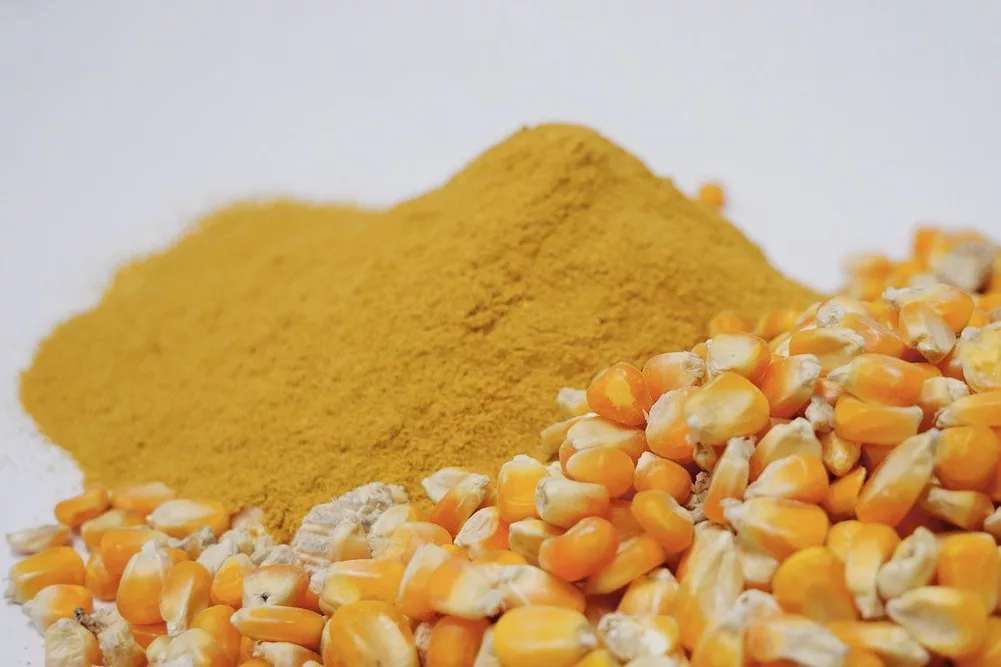
Following on the significant growth of Brazil’s corn ethanol industry, the country’s production of distiller’s dried grains (DDG) and distiller’s dried grains with solubles (DDGS) has increased as well, leading to an expanded need for export markets, according to a report from the Foreign Agricultural Service (FAS) of the US Department of Agriculture.
Brazil is the world’s third-largest corn producer, surpassed only by the United States and China. Between the 2013-14 and 2024-25 harvests (March–February), Brazil’s corn production rose to 136 million tonnes from 80 million.
Brazil’s growing corn output has led to an increase of corn as a feedstock for ethanol production, which is more cost-effective than sugarcane ethanol, the FAS said. The byproducts of ethanol production, both DDG and DDGS are high in protein and fat and a valuable feed ingredient.
Brazil inaugurated its first dedicated corn ethanol plant in 2017, and by 2024 corn ethanol production grew to 7.5 billion liters from 400 million liters. The volume of corn processed increased to 17 million tonnes in 2024 from 950,000 tonnes in 2017.
As of Dec. 12, 2025, there were 31 corn ethanol plants in operation, including 10 flex-fuel plants, with a total installed production capacity of 11 billion liters per year, the FAS noted. An additional 18 plants are under construction, with a combined capacity of 6 billion liters per year. There are plans for 19 more plants, which would add a combined installed capacity of 7 billion liters per year.
Brazil’s DDG/DDGS production rose from 1.2 million tonnes in 2019-20 to 4.2 million in 2024-25, up 256%, with about 79% consumed domestically, the FAS said. Brazilian producers of DDG and DDGS are expected to prioritize domestic demand, supplying feed for the cattle, swine, and poultry industries.
“To increase demand for DDG and DDGS, experts emphasize the need not only to promote their nutritional benefits and advantages but also to expand industrial capacity, improve logistics for distribution to other Brazilian states, obtain certifications and access strategic markets,” the FAS said.
Between 2017 and 2021, Brazilian DDG exports were negligible. The growth in exports since 2022 coincides with concerted efforts by the government and corn industry to open new markets for Brazilian-produced DDGs.
In 2024, Brazil exported 791,000 tonnes of DDGS to 21 countries, worth $118 million, with Vietnam the top importer at 212,000 tonnes, followed by Turkey (154,000) and Spain (114,000).
Reaching for new customers, Brazil reached DDG export agreements with Colombia in September 2024 and Costa Rica in May 2025.
Brazil and China also signed a protocol of intentions in May 2025 to facilitate the sale of DDG and DDGS. Prior to this agreement, the United States was the sole supplier of DDGs to China, accounting for 99.6% of imports by volume, valued at $65.7 million, the FAS said.
On Nov. 11, 2025, the first five Brazilian plants were approved to export DDG and DDGS to China, along with 10 facilities authorized to export sorghum. According to FAS contacts, the first exports are expected to begin early this year.
“While there are no official estimates for Brazil’s DDG export potential to China, the industry projects volumes exceeding 1 million tonnes starting in 2026,” the FAS said.
Read also
Black Sea & Danube: Crop and Export Forecast
Rapid exports of Ukrainian flour to China unlikely despite market opening
Soybean harvest begins in Argentina
Ukraine, Syria and Turkey discuss logistical routes bypassing the Strait of Hormuz
Brazil ships first DDG batch to China, opening new feed market




Got additional questions?
We will be happy to assist!
Write to us
Our manager will contact you soon