

India is considering producing GM mustard
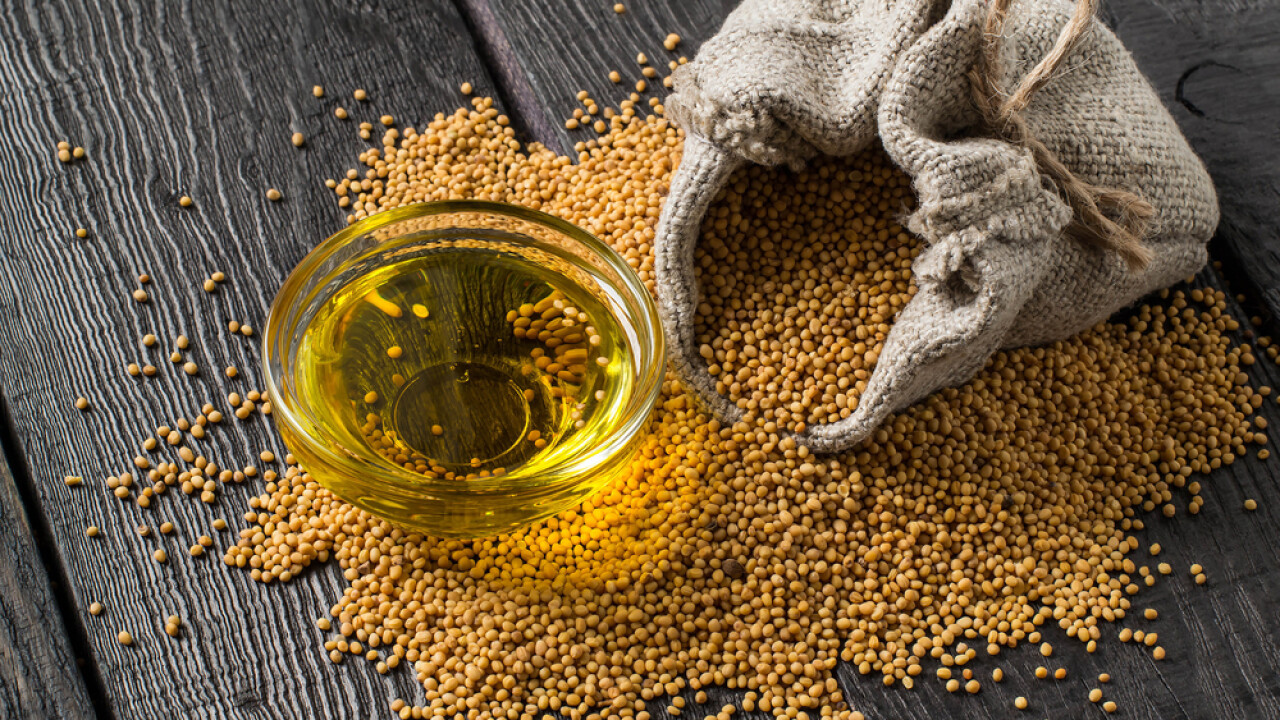
India is close to a historic decision that could open its largest agricultural market to genetically modified (GM) food crops. A group of federal ministers is exploring the commercialization of GM mustard, the country’s key oilseed crop.
According to The Economic Times, officials plan to agree on the government’s position on field trials and the commercial release of the variety, whose introduction has been blocked by legal battles for years.
India spends over $17 billion annually on vegetable oils abroad, making it the world’s largest importer. Trade negotiations with the United States, which resulted in tariff reductions on agricultural products (including DDGS and soybean oil), have fueled domestic debate over the approval of GM products.
However, mustard is a staple oilseed crop in the local diet, and proponents of the modified variety argue that it could increase yields and make more efficient use of limited arable land.
India currently bans the cultivation and import of GM foods. The only exception is the industrial crop Bt cotton, which two decades ago turned the country into a top cotton producer.
Efforts to launch GM eggplant in 2010 failed. Now all eyes are on mustard. However, the final decision is pending between branches of government.
If ministers approve GM mustard, it will set a precedent and open up opportunities for other food crops, radically changing the structure of India’s agricultural market.
Read also
Romania proposes joint NATO command to protect the Black Sea
Drought in India threatens sugar and biofuel production
Record sunseed harvest in Russia threatens to drive down prices in Kazakhstan
Corn drying costs in Ukraine could exceed the value of the grain at current prices
Oilseeds remain the only profitable segment of crop production in Russia




Got additional questions?
We will be happy to assist!
Write to us
Our manager will contact you soon