

Brazil increases meat exports to EU but faces new import restrictions
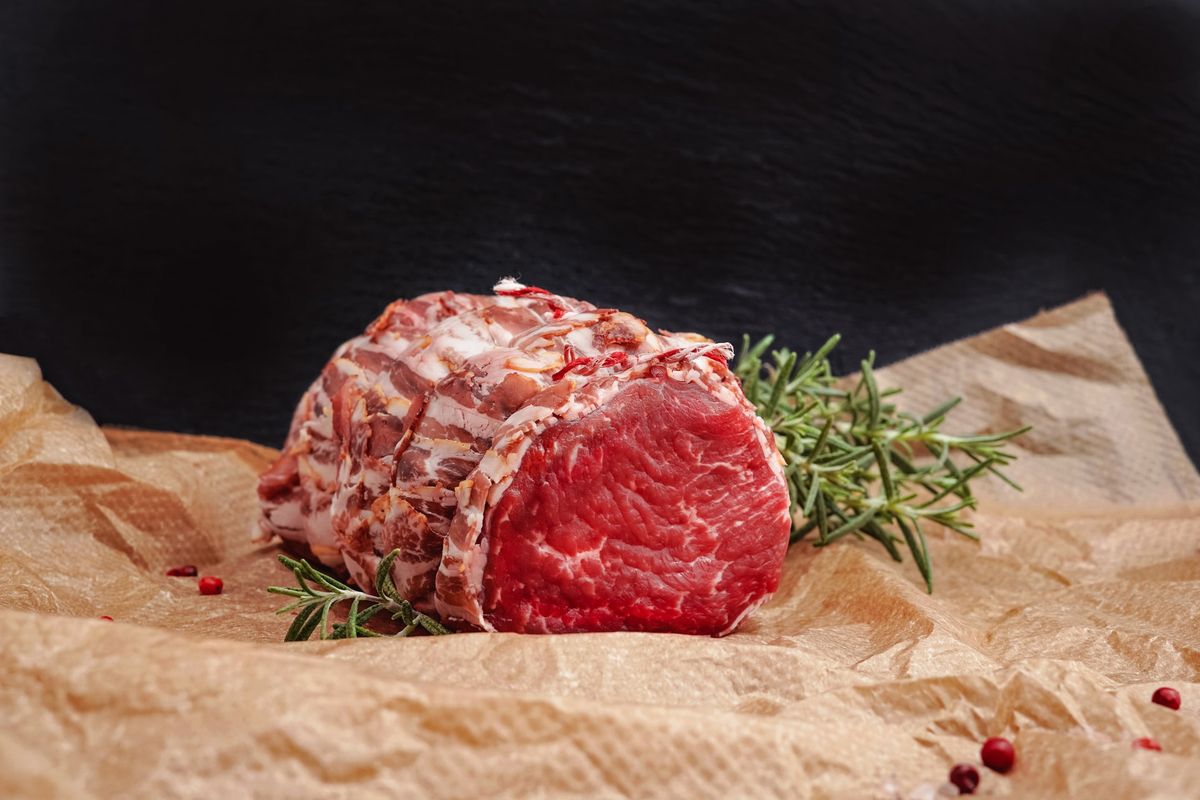
Brazil increased its meat exports to the European Union by 170% in May–September 2026, from 101 thsd tons to 272 thsd tons compared with the same period last year. In value terms, shipments rose by 103.5%. According to Brazil’s Ministry of Agriculture and Livestock (Mapa), the increase in trade coincided with the start of provisional application of the EU–Mercosur free trade agreement, which entered into force on May 1, 2026.
Over the five-month period, Brazil exported 17.74 mln tons of agricultural and agro-industrial products to the 27 EU member states, up 8.1% year-on-year. Export value increased by 14.8% to $12.21 bln. The soybean complex, including soybeans, soybean meal and soybean oil, remained the largest export segment. Its export revenue rose by 34.2% to $4.19 bln, while shipment volumes increased by 20.5%.
The EU–Mercosur trade agreement provides for a gradual expansion of market access for South American agricultural products. In particular, an additional quota of 99 thsd tons of beef from Mercosur countries is to be phased in over six years at a reduced tariff rate of 7.5%. An additional quota of 180 thsd tons of poultry meat is also предусмотрено under preferential tariff conditions. However, access to these benefits will depend on compliance with European sanitary and environmental standards.
Despite the substantial increase in exports, the EU suspended imports of several animal products from Brazil on September 3, 2026, including beef, poultry meat, eggs and honey. The decision followed Brazil’s failure to provide the necessary guarantees of compliance with EU requirements on the use of antimicrobials in livestock production. The European Commission requires confirmation that the products comply with EU rules prohibiting the use of certain antimicrobial substances to promote animal growth.
Following inspections, European regulators are considering the resumption of imports of Brazilian poultry meat and honey, although the timeline for restoring beef shipments remains uncertain. This creates additional risks for Brazil despite expanding trade opportunities under the Mercosur agreement.
Read also
China to build 225 thsd ton SAF plant targeting EU and Asian export markets
US soybean oil use in biofuel production falls 17% as canola oil consumption rises
4S Business Summit: Connecting 4 Seas – Logistics & Trade
China’s palm oil inventories nearly double, increasing pressure on prices
Malaysia’s palm oil stocks hit record high of 3.51 mln tons




Got additional questions?
We will be happy to assist!
Write to us
Our manager will contact you soon