

Black Sea high-risk zone expanded to Romanian and Bulgarian coasts
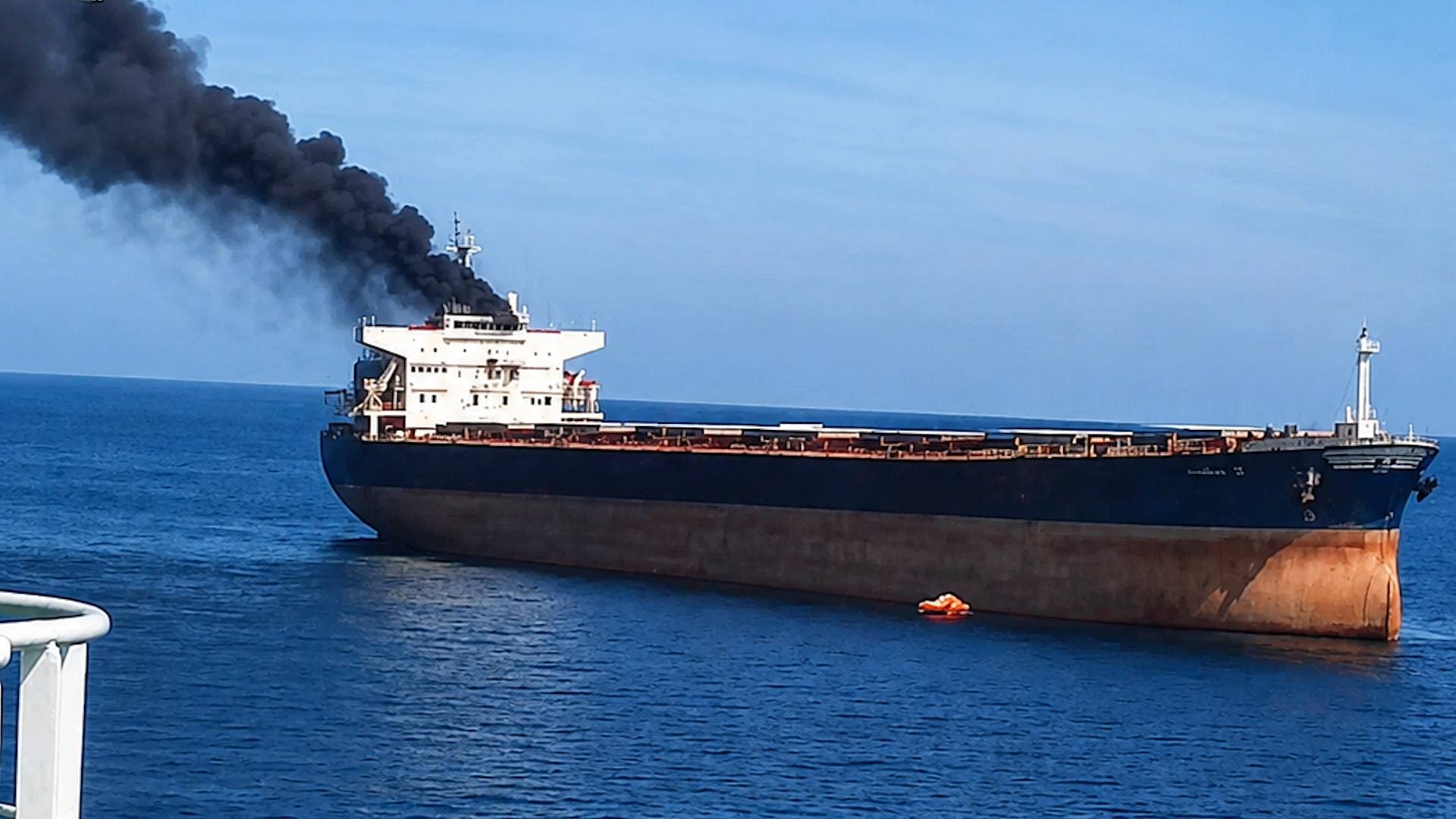
The high-risk zone for commercial shipping in the Black Sea has been expanded to include waters off the coasts of Romania and Bulgaria. The decision was adopted by the International Bargaining Forum (IBF) on November 18 amid increasing drone and missile attacks on merchant vessels in the western Black Sea. The expanded designation could raise shipowners’ operating costs and affect maritime freight rates, including for grain and other agricultural products shipped through regional ports.
According to the Romanian seafarers’ union Sindicatul Liber al Navigatorilor (SLN), the High Risk Area has been extended westward and southwestward in the Black Sea. However, Romanian and Bulgarian territorial waters within 12 nautical miles of the coast remain excluded. The ports of Constanța, Midia, Mangalia, Varna and Burgas are also outside the high-risk zone, although offshore approach routes beyond territorial waters fall under the new designation.
The Sulina anchorage area has also been included in the High Risk Area. It plays an important role in shipping along the Danube and Ukrainian agricultural exports. The decision follows a series of attacks on commercial vessels in the Black Sea that have heightened concerns over maritime safety. The expansion of the high-risk zone could generate additional costs for vessels heading to Ukraine’s Danube ports and Romania’s Constanța.
For crews covered by IBF collective bargaining agreements, entering the high-risk zone entails special compensation provisions. Seafarers have the right to refuse entry into the designated area, with repatriation at the shipowner’s expense and compensation equivalent to two months of basic wages. An additional payment equal to 100% of basic wages is provided for the relevant period spent in or transiting the zone, while compensation for death or permanent disability is doubled.
SLN emphasizes that the new designation does not prohibit navigation but increases shipowners’ operating costs through additional crew payments and enhanced safety measures. The decision also adds to existing war-risk insurance designations and surcharges imposed by shipping companies. For grain and oilseed exporters, this creates risks of further increases in freight costs and reduced competitiveness of Black Sea shipments.
Read also
Malaysian palm oil prices fall to nine-month low
Indian peanut prices may rise amid lower crop prospects and growing export demand
Bangladesh plans to install 12,000 biogas plants to supply energy to rural communi...
Venezuela’s poultry sector to increase corn and soybean meal consumption by ...
US wheat export sales rise 89% week-on-week




Got additional questions?
We will be happy to assist!
Write to us
Our manager will contact you soon