

Black Sea Grain Deal At Risk Again
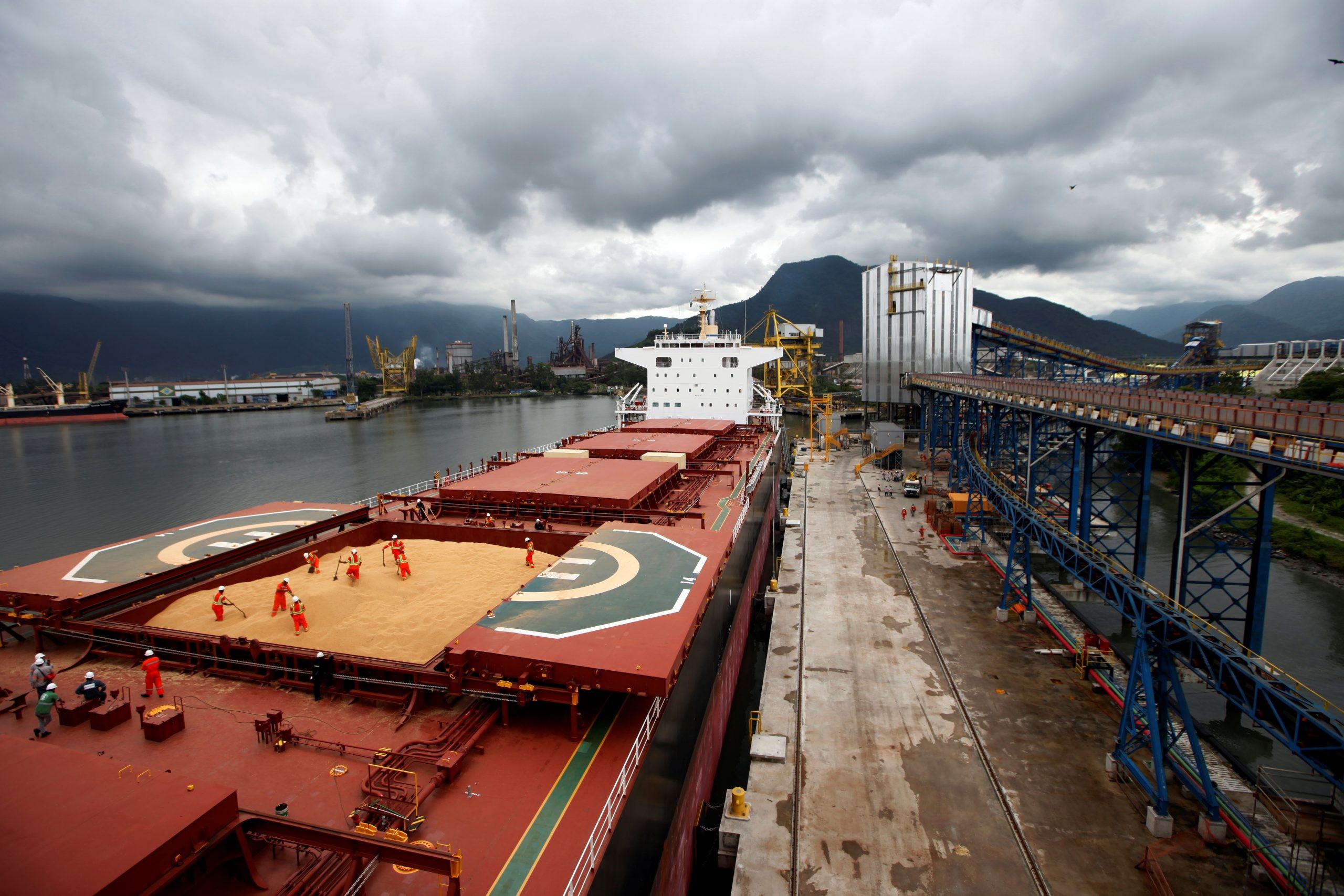
Russia says the Black Sea grain deal may not continue beyond mid-May unless several obstacles are removed to export grain and fertilizer.
Stone X Group Chief Commodities Economist Arlan Suderman says the continued back-and-forth is likely a negotiation tactic.
“Russian grain is moving at full capacity of what its ports can handle. Fertilizer is moving as well. Sanctions have made things more difficult, but it’s moving. What it tells me is sanctions are having a serious impact on Russia’s economy.”
He says the uncertainty in the Black Sea region continues to affect U.S. wheat and corn prices.
Svitlana Synkovska, a Ukrainian agribusiness consultant, says Russia is not a stable supplier.
“The situation could be a game changer for American grain and supplies to other countries like Egypt who used to buy from Ukraine.”
Suderman says Russia is stable, because it can produce and export a lot of grain, but it is unknown how the grain will be used as a possible global weapon of war. He says there is also an expectation the Black Sea grain deal will be extended in the short-term, but there’s also a chance Russia could block Ukrainian grain movement again.
Read also
Romania proposes joint NATO command to protect the Black Sea
Drought in India threatens sugar and biofuel production
Record sunseed harvest in Russia threatens to drive down prices in Kazakhstan
Corn drying costs in Ukraine could exceed the value of the grain at current prices
Oilseeds remain the only profitable segment of crop production in Russia




Got additional questions?
We will be happy to assist!
Write to us
Our manager will contact you soon