

Australian analysts cut canola production forecast by nearly 500 thsd tons
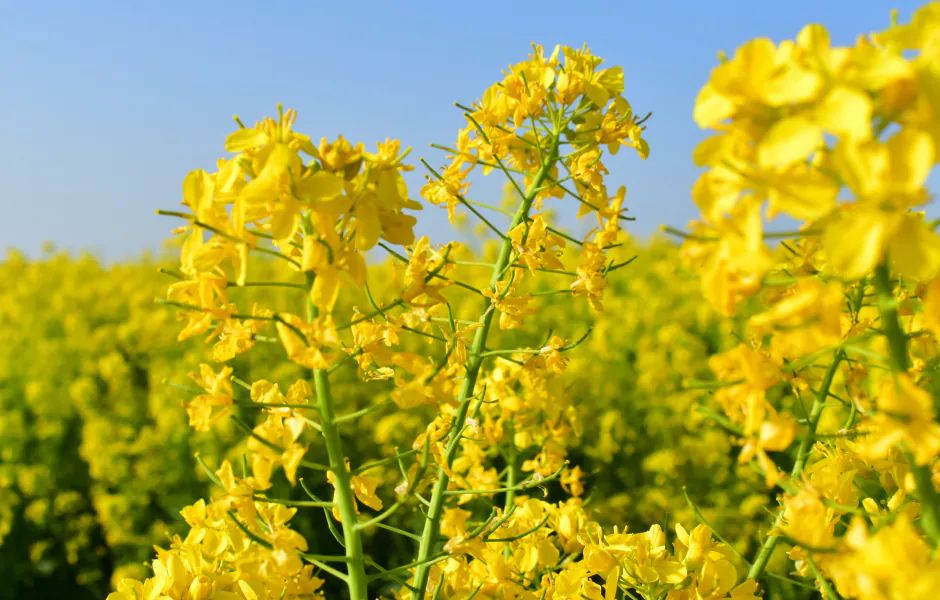
Western Australia has significantly lowered its 2026 canola production forecast due to weaker-than-expected yields in several regions. According to the November estimate from the Grain Industry Association of Western Australia (GIWA), canola production is now projected at 4.115 mln tons, compared with 4.6 mln tons forecast in October. The estimate has therefore been reduced by 485.5 thsd tons, or 10.6%. The main reason for the downward revision is poor pod formation, which has reduced the crop’s yield potential in several areas.
The overall grain and oilseed production forecast for Western Australia has been lowered by 615.5 thsd tons, from 23.934 mln to 23.319 mln tons. Canola accounts for nearly 79% of the total reduction. Meanwhile, the wheat production estimate has been raised by 14 thsd tons to 10.9 mln tons, while the barley forecast has been reduced by 124 thsd tons to 6.676 mln tons. Thus, most of the deterioration in regional crop prospects is associated with canola, while wheat production remains relatively stable.
According to GIWA, canola yields vary significantly depending on the region and varieties grown. Many farms have reported poor pod development on the main stem, limiting crop productivity. The most notable reductions in expected production have been recorded in the Geraldton and Esperance port zones, where the canola harvest is now largely complete. If the current trend continues, Western Australia’s actual canola production could reach only 4.1–4.2 mln tons.
Unfavorable weather conditions are creating additional challenges for farmers during the harvest. Heavy rains and thunderstorms affected several parts of Western Australia in October and the first half of November, significantly slowing harvesting operations. Conditions have been particularly difficult in the southwest and along the state’s western coast. At the same time, wheat, barley and pulse yields have exceeded earlier expectations on many farms, despite below-average rainfall during much of the growing season.
Barley has delivered the strongest results so far, having been less affected by dry conditions toward the end of the season and showing good grain quality. The lupin production forecast remains unchanged at 700 thsd tons, while the oat crop estimate has been reduced by 25 thsd tons to 777 thsd tons. Pulse production, meanwhile, is expected to reach 151 thsd tons, up 5 thsd tons from the October forecast. However, analysts warn that further rainfall during the harvest could negatively affect grain quality and create additional risks for final production results.
Read also
Potato prices rise in the UK amid drought and lower production
Kazakhstan increases grain exports to China and Afghanistan
Hungary lifts veto on opening EU agriculture negotiating cluster for Ukraine
Indonesia to tighten soybean import controls from 2027
EU corn imports rise 30% despite USDA cutting its import forecast




Got additional questions?
We will be happy to assist!
Write to us
Our manager will contact you soon