

Australia may harvest second consecutive record barley crop in 2026/27
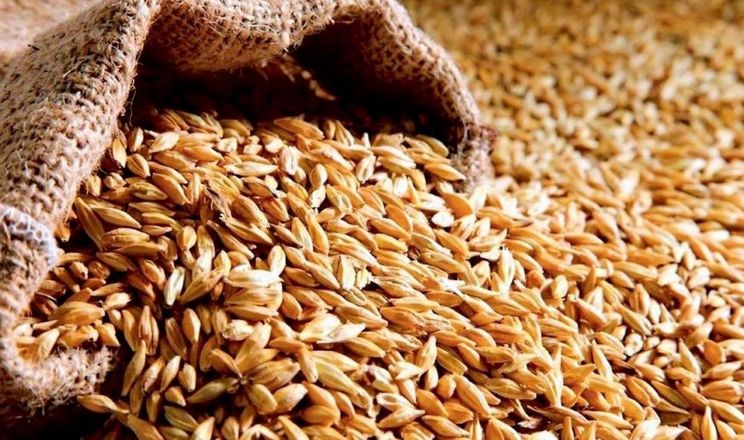
Australia’s barley production in the MY 2026/27 is forecast to reach a record 17.7 mln tons, up 4.4%, or 700 thsd tons, from the previous season. According to FAS USDA, this would mark the country’s second consecutive record barley harvest. The projected output would also be 40% above the 10-year average.
The increase in barley production is supported by changes in planting patterns, favorable weather conditions in southern states, and rising production costs for other crops. In particular, higher nitrogen fertilizer prices have encouraged some farmers to favor barley over wheat and canola, which generally require greater fertilizer inputs. Concerns over potential rainfall shortages associated with El Niño, particularly in eastern Australia, have also influenced planting decisions.
Australian barley exports in 2026/27 are forecast at 13 mln tons, potentially marking a second consecutive record. By comparison, the average annual export volume over the past decade was 7.3 mln tons. China is expected to remain the main buyer, accounting for 75–80% of Australian barley shipments. Chinese demand has recovered significantly since Beijing removed its 80% tariff on Australian barley in August 2023. Meanwhile, renewed purchases by Saudi Arabia offer additional opportunities for export diversification.
In contrast to barley, Australia’s wheat production is expected to decline by 4 mln tons, or approximately 11%, to 32 mln tons this season. Despite the reduction, the projected harvest would remain 10% above the 10-year average. Wheat exports are forecast at 25 mln tons, which would represent the third-highest volume on record and significantly exceed the 10-year annual average of 20.4 mln tons.
Record barley production could boost grain supplies for the feed and malting industries while placing additional pressure on Australia’s grain storage facilities and export infrastructure. Large volumes of new-crop barley may also weigh on prices during harvest, although strong export demand could support a subsequent recovery. Weather conditions remain the main risk to grain production, particularly the possibility of insufficient rainfall in some parts of the country.
Read also
Spain to withhold 188 thsd tons of olive oil from market to support prices
USDA attaché forecasts China’s soybean imports 5 mln tons below official est...
Global skimmed milk powder prices hit highest level since 2022
India proposes ban on corn, soybeans and palm oil as aviation fuel feedstocks
Record UK wheat quality puts pressure on milling premiums




Got additional questions?
We will be happy to assist!
Write to us
Our manager will contact you soon