

Australia increases barley production despite unfavorable weather conditions
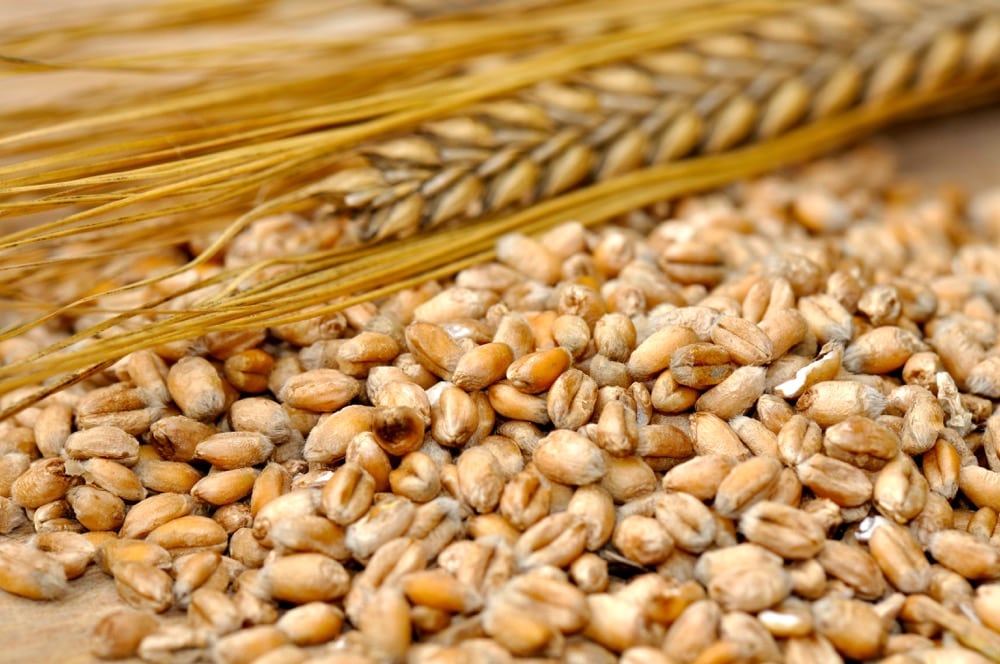
Australia could harvest more than 17 mln tons of barley for the first time in the MY 2026/27, setting a new production record. According to the US Department of Agriculture (USDA), the crop could reach 17.1 mln tons, compared with the previous record of 16.3 mln tons set last season. Grain Central reports that strong production is expected thanks to favorable weather conditions in southern and western Australia, where farmers anticipate high grain yields.
Most leading agricultural analysts also forecast barley production close to record levels. Lachstock Consulting estimates output at 16.8 mln tons, Rabobank at 16.5 mln tons and ABARES at 16.4 mln tons, while Bendigo Bank Agribusiness expects 15.9 mln tons. Thus, four of the five forecasts exceed the previous historical record. However, final results will depend on weather conditions during the harvest and actual yields.
Particularly strong results are expected in Victoria, where favorable moisture levels and weather conditions have supported good crop development. According to local agronomists, yields of some cereal crops could exceed 6 t/ha, while yields of around 5 t/ha are expected to be fairly common. Barley is considered one of the most promising crops of the season. Despite high nitrogen fertilizer costs, preliminary assessments suggest that these have not significantly reduced yield potential.
South Australia is also expected to record above-average barley yields thanks to sufficient soil moisture reserves. Harvesting has already begun in some parts of the state, although most fieldwork is expected over the coming weeks. In Western Australia, early harvest results have also been encouraging. In particular, strong grain yields have been reported in production areas linked to the Geraldton and Esperance ports, supporting national production forecasts.
Meanwhile, conditions remain more challenging in northern Australia. In Queensland and northern New South Wales, rainfall and high grain moisture levels are delaying harvesting, while earlier rainfall deficits have negatively affected yield potential. Despite these regional difficulties, strong results in the southern and western parts of the country could allow Australia to achieve a record barley harvest. Higher production could also create opportunities to expand Australian grain supplies to the global market.
Read also
Argentina’s grain and oilseed sales exceed the five-year average by 25%
Wheat, corn and soybeans fall in Chicago on Friday
Ireland’s grain imports reach 5.1 mln tons amid strong feed demand
Zimbabwe plans to produce aviation fuel from sugarcane and sorghum
Ukrainian beef exports rise amid declining global production




Got additional questions?
We will be happy to assist!
Write to us
Our manager will contact you soon