

Attacks on vessels off Libya increase risks to Russian grain exports to North Africa
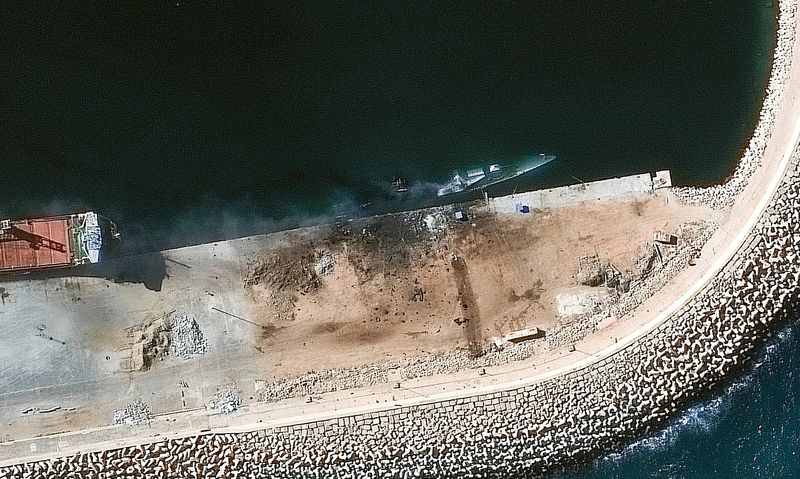
Attacks on Russian military and cargo vessels off the coast of Libya are creating new risks for maritime logistics in the Mediterranean Sea, particularly for Russian grain exports to North African countries. On November 22, maritime drones attacked the Russian corvette Mercury in the port of Benghazi, which reportedly capsized and sank, according to satellite imagery. Later, a Malta-flagged cargo vessel was attacked off the coast, with several sources identifying it as ASCALON. Ukrainian President Volodymyr Zelenskyy confirmed a Ukrainian operation against the corvette, although the circumstances of the second attack remain unclear.
The incidents indicate that the geographical scope of maritime attacks is expanding far beyond the Black Sea. Although strikes are currently directed mainly at Russian warships and vessels involved in military logistics, further escalation could also threaten commercial shipping. Grain transportation is particularly sensitive, as even higher insurance premiums, stricter cargo inspections, or the reluctance of some shipowners to operate on high-risk routes could significantly increase logistics costs.
North Africa is one of the key markets for Russian wheat. Egypt ranks among the world’s largest buyers of Russian grain, while Libya and Algeria also remain important importers. In 2025, Russia and Ukraine together accounted for more than 80% of Libya’s wheat imports. Any further expansion of attacks to commercial shipping could complicate deliveries to the region, increase freight rates, and encourage importers to seek alternative suppliers.
Competition between Ukraine and Russia for North African grain markets is another factor increasing these risks. Both countries traditionally supply significant volumes of wheat to Mediterranean ports, meaning that any changes in the accessibility of maritime routes could affect their market positions. Although there have been no confirmed attacks on civilian grain carriers in the Mediterranean Sea so far, the expanding geographical scope of strikes is creating uncertainty for exporters and buyers. Without a diplomatic settlement, the risks of further escalation and attacks spreading to new logistics routes are likely to remain high.
Similar risks are emerging in the Baltic Sea, where the Russian cargo vessel Sparta II, linked to military shipments, was reportedly struck on November 21. The Baltic route has become particularly important for Russian agricultural exports following restrictions on shipping in the Black Sea. In October, Baltic ports’ share of total Russian wheat exports reached 61%, up from 52% in September, with shipments totaling 2.05 mln tons.
Growing security risks in the Mediterranean and Baltic seas could put additional pressure on Russian export logistics, increase grain transportation costs, and complicate access to key markets. Under these conditions, it could become more economically advantageous for Russia to return to negotiations on a new grain deal and a mutual cessation of attacks on commercial shipping.
Read also
Will Chinese sunflower oil futures change Black Sea pricing?
Oilseed processing plant shutdowns and export duty increase losses for Ukrainian s...
Wheat and corn prices fall, while soybeans rise in Chicago on Friday
Palm oil prices fall 18% amid Malaysian supply glut
Moldova increases apple processing amid bumper harvest, but purchase prices remain...




Got additional questions?
We will be happy to assist!
Write to us
Our manager will contact you soon