

Around 7% of cultivated land worldwide is used for the production of biofuel raw materials
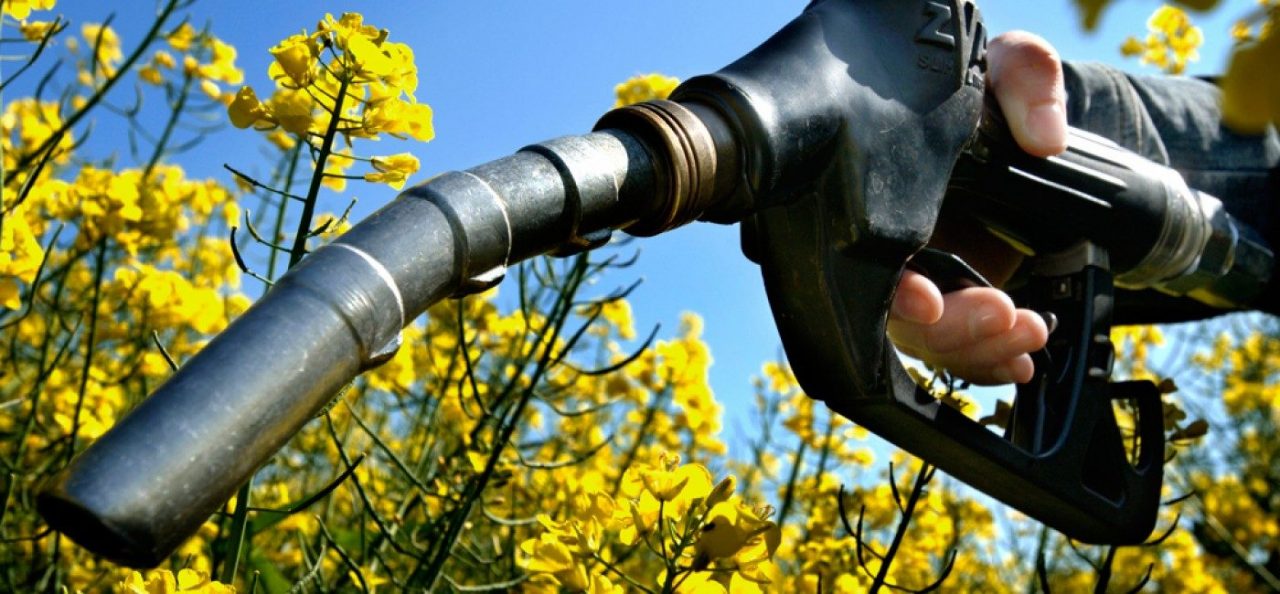
In 2024, approximately 1.2 billion hectares of land worldwide were devoted to key agricultural crops—grains, oilseeds, fruits, vegetables, and others. The vast majority of this land, directly or through feed production, supports human food production. The cultivation of biofuel feedstocks accounted for only about 7% of the global cultivated area, according to the German Union for the Promotion of Grain and Oilseed Cultivation (UFOP).
As noted by the union, global biofuel production is primarily concentrated in regions with a structural surplus of raw materials, such as sugar, corn, palm oil, and soybean oil.
Furthermore, processing surplus raw materials into biofuels prevents their excessive supply to the global market, maintaining price stability for producers and transforming agricultural surpluses into a higher-value product. Furthermore, the use of biofuels reduces the need for many countries to import crude oil and fossil fuels.
According to UFOP, biofuel production offers several advantages, as it provides the chemical industry with high-quality protein feed and glycerol. The quantity and quality of these by-products influence feedstock prices and, consequently, decisions to expand or reduce cropping areas (especially for soybeans).
UFOP emphasizes that biofuels are not the determining factor in feedstock prices. Production chains remain flexible: if necessary, appropriate volumes of feedstock can be quickly redirected to food production. However, politically motivated agricultural expansion (for example, as part of the European Commission’s strategy to reduce the use of fertilizers and pesticides in the Green Deal) could deprive the market of this important demand-mitigation mechanism.
Global biofuel production volumes have been growing rapidly for over a decade. From 2013 to 2018, the largest increase in biofuel production volumes occurred in the United States and Brazil, primarily due to an increase in ethanol production capacity, as well as in the EU and Southeast Asia.
Read also
Bulgarian sunflower seed market: Gap between import restrictions and market realit...
Turkey Grain Market-2026: Trade Flows, Price Dynamics & Black Sea Competition
Global hunger could rise to historic high if Iran war continues until June – WFP
Jordan buys 60 thsd tons of wheat in tender
Global soybean oil exports fell by 18% in February




Got additional questions?
We will be happy to assist!
Write to us
Our manager will contact you soon