

Apple prices fall across most EU countries despite a 15.6% decline in expected harvest
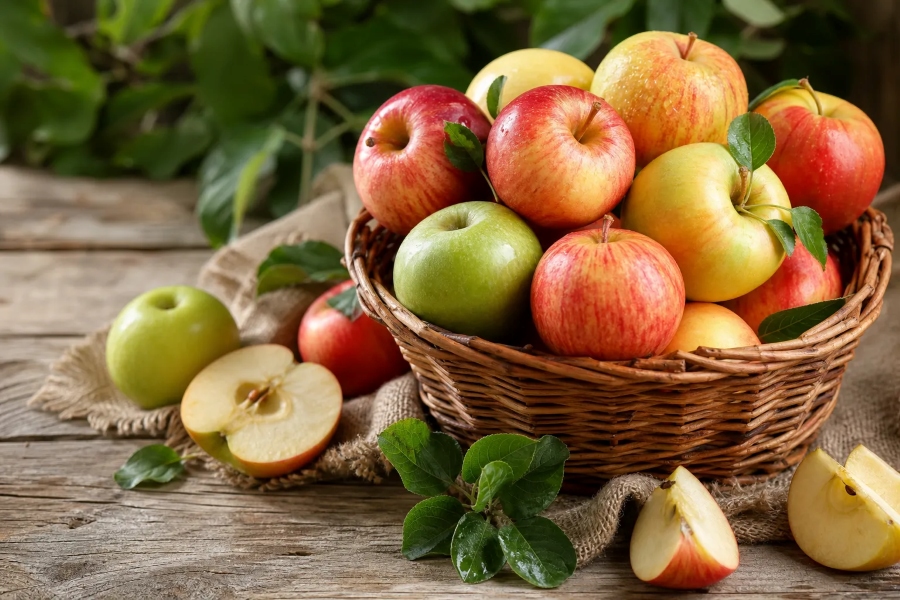
The European apple market is showing an unexpected price trend at the beginning of the 2026/27 season, with prices remaining below last year’s levels in most EU countries despite a significant decline in production. Analysis of weekly European Commission data, average apple prices at the packing station level fell in eight of the eleven EU countries with comparable data between September 7 and October 19. Meanwhile, the World Apple and Pear Association (WAPA) forecasts a 15.6% reduction in apple production across the EU’s main producing countries compared with the previous year.
The sharpest price decline was recorded in Hungary, where average apple prices fell by 30.1% to €82.19 per 100 kg, compared with €117.58 a year earlier. In Poland, prices dropped by 25.7% to €58.57 per 100 kg, while Romania recorded a 24.9% decrease to €67.75 per 100 kg. German apple prices declined by 12.8% to €49.90 per 100 kg. Smaller decreases were reported in Czechia (–6.5%), Italy (–6%) and Croatia (–2.2%). Prices in Greece remained virtually unchanged, slipping by just 0.3%. As a result, lower production has not yet translated into higher apple prices in several major producing countries.
France and Portugal, however, recorded the opposite trend. French apple prices increased by 14.1% to €148.39 per 100 kg, compared with €130.08 a year earlier. Portugal saw an even stronger increase of 18.8% to €126.79 per 100 kg, while prices in Belgium rose by just 0.5%. The significant differences in price movements between countries highlight the fragmented nature of the European apple market, where prices are influenced not only by production volumes but also by supply composition, marketing conditions and demand. These figures represent prices at the packing station level, which may differ substantially from the prices received directly by growers.
According to WAPA, apple production in the EU’s main producing countries is expected to decline to 9.5 mln tons in 2026, down 15.6% from the previous year and 14.3% below the three-year average. The largest reduction is forecast in Poland, where production could fall by 30% to 2.6 mln tons. Output is expected to decline by 24% in France, 25% in Belgium, 17% in the Netherlands and approximately 10% in Germany. Poland presents a particularly interesting case: despite a 25.7% decline in packing station prices, farmgate prices remained almost unchanged from last year (+0.2%). Meanwhile, prices received by growers fell by 36.1% in Romania and 24.2% in Hungary.
The latest weekly figures already indicate some changes in market conditions. During the week beginning October 19, apple prices in Germany were 6.6% higher than a year earlier, while Polish prices were unchanged year-on-year. In France, annual price growth accelerated to 17.8%, whereas apples remained 23.4% cheaper in Hungary and 28.2% cheaper in Romania. These developments may indicate gradual market stabilization in some countries following the initial marketing period for the new harvest. However, future price movements will depend on sales rates, storage volumes and demand during the winter months, as a substantial share of Europe’s apple crop will be marketed over the coming months.
Read also
Combination products account for over 67% of newly registered pesticide formulatio...
Argentine wheat widens price advantage over French supplies in Morocco
Marine biofuel sales decline at the world’s two largest bunkering hubs
Malaysian palm oil prices fall amid high inventories in China
Mexico increases US corn imports by 11% despite higher transportation costs




Got additional questions?
We will be happy to assist!
Write to us
Our manager will contact you soon