

4.300 German pig holdings less since 2020
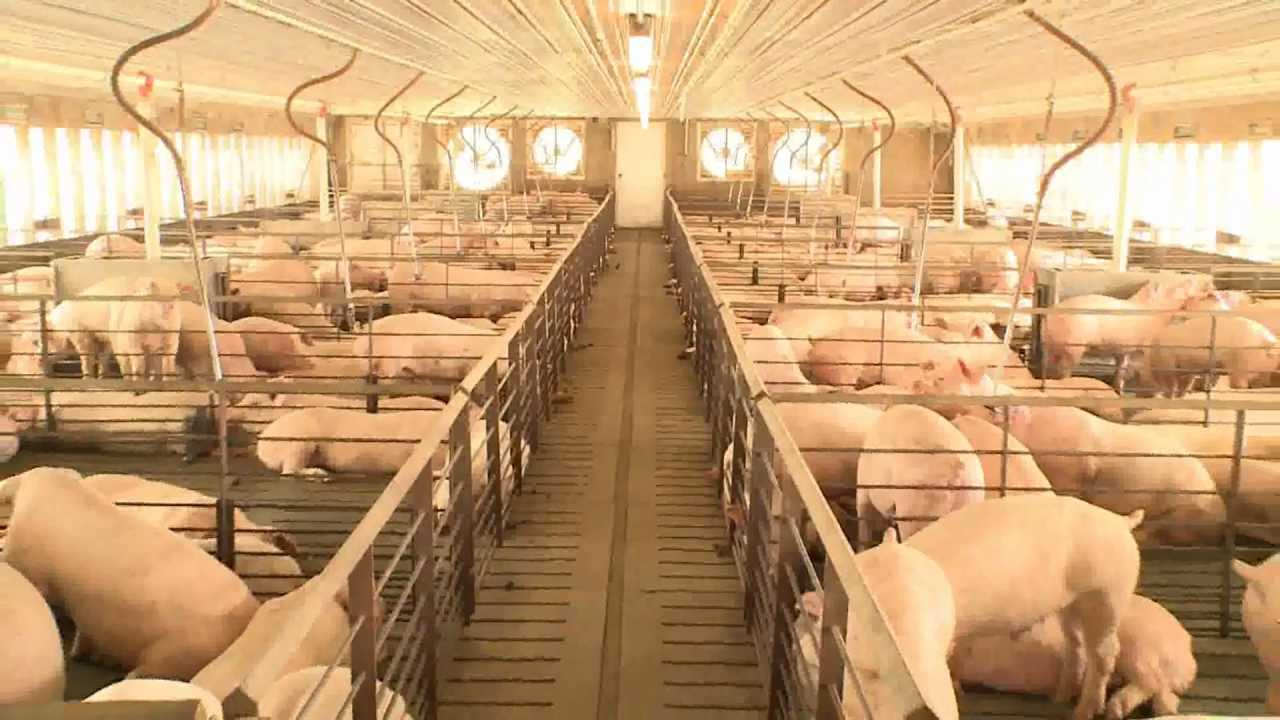
The vast majority of German pig holdings are located in the states of Lower Saxony or North Rhine-Westphalia. Those regions border Denmark, the Netherlands and Belgium, countries that are at the same time the largest suppliers of live pigs to German slaughterhouses and processors.
Earlier figures showed that in 2022, Germany imported some 5.3 million live pigs from Denmark, almost 3.5 million from the Netherlands as well as 211,000 from Belgium. Together, these 3 countries send almost 7.9 million piglets and young pigs as well as 1 million fattening pigs to their German neighbour. Those import figures are likely to decline due to the shrinking pig herd in both Denmark and the Netherlands because of economic reasons in combination with further environmental restrictions.
The latest figures from Destatis also confirm that the German pig herd has shrunk by 15% in the last 3 years. As per 1 May 2023, Germany had 22.4 million pigs at 27.600 holdings. 3 years earlier, those numbers were 26.3 million animals on 31.900 farms. These figures clearly show that the pig sector is faring far worse than the livestock industry in Germany as a whole. The total number of livestock farms decreased by no more than 4% to 161.700. In 2023, 63% of all agricultural businesses in the country had some kind of livestock, a percentage that has remained more or less stable since 2020.
Read also
Romania proposes joint NATO command to protect the Black Sea
Drought in India threatens sugar and biofuel production
Record sunseed harvest in Russia threatens to drive down prices in Kazakhstan
Corn drying costs in Ukraine could exceed the value of the grain at current prices
Oilseeds remain the only profitable segment of crop production in Russia




Got additional questions?
We will be happy to assist!
Write to us
Our manager will contact you soon