

India may double wheat export quotas due to record stocks
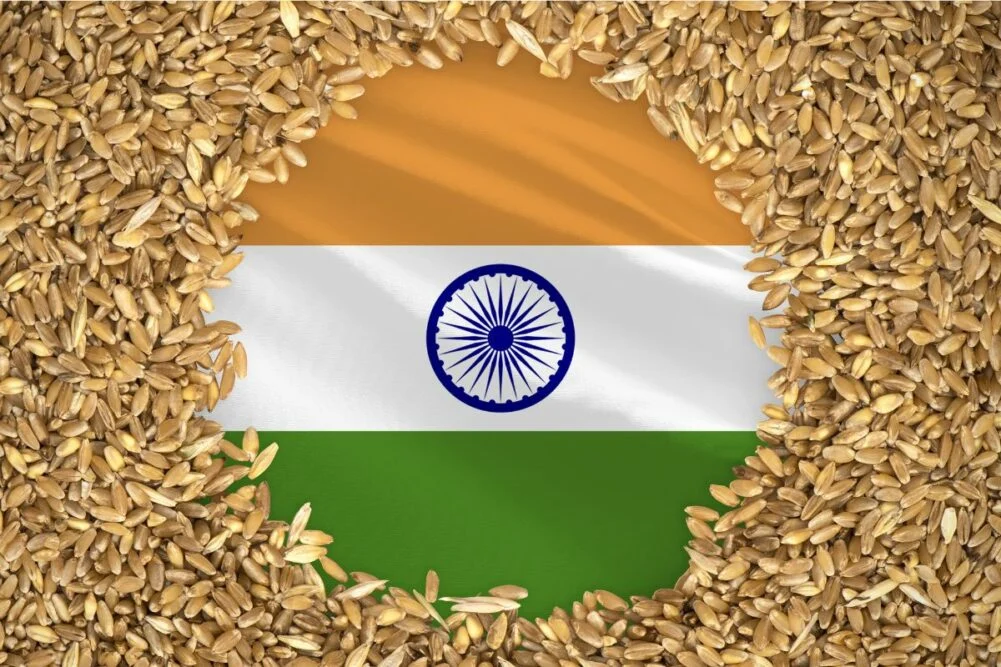
India is considering a significant increase in wheat export quotas, from the current 2.5 million tonnes of grain and 500,000 tonnes of processed products to potentially double the level. The reason is a significant increase in domestic stocks, which significantly exceed regulatory buffers, Platts sources say.
According to the Food Corporation of India, wheat stocks as of March amounted to 23.6 million tonnes, which is 71% higher than the norm and 76% more than a year ago. At the same time, the government continues to hold significant amounts of grain, which increases the cost of storing and maintaining stocks.
Despite the potential expansion of quotas, traders note that this does not guarantee an increase in exports. Indian wheat remains more expensive than alternatives from the Black Sea region and South America, which limits its demand on the global market.
Bangladesh is considered the main potential market, importing around 6.7-7.2 million tonnes of wheat annually. However, even there, Indian wheat competes only in certain segments due to price and logistics, while other Southeast Asian markets remain of little interest.
An additional constraint to exports is the quality requirements of importers. Processors in Vietnam and Indonesia note that Indian wheat is inferior in terms of quality stability and loses in terms of price to supplies from Australia, South America and the Black Sea region.
At the same time, market participants expect that after the start of the new harvest, prices for Indian wheat may decrease. An additional factor supporting exports may be government incentives, in particular possible subsidies for exporters, which will make the products more competitive on the world market.
Further development of the grain and oilseed markets of Ukraine and the Black Sea region will be in the spotlight of the BLACK SEA GRAIN. KYIV conference, taking place on April 22–23 in Kyiv. The event will focus on strategic directions for the agricultural sector through 2030, including investments, energy independence, processing, and exports of high-value products.
Join strategic discussions and networking with industry leaders to gain актуальна insights, discover new business opportunities, and build partnerships with key market players.
Read also
Invest in the Best: What Attracts Investors in Agri Today
Ukrainian sunflower seed prices rise along with oil and freight costs
Wheat production estimated at 29.3 mln tons in Pakistan
European Commission forecasts three-year high sunflower seed harvest
Iran declares Strait of Hormuz fully open to commercial traffic




Got additional questions?
We will be happy to assist!
Write to us
Our manager will contact you soon