

Water crisis shatters Iraq’s hopes for wheat self-sufficiency
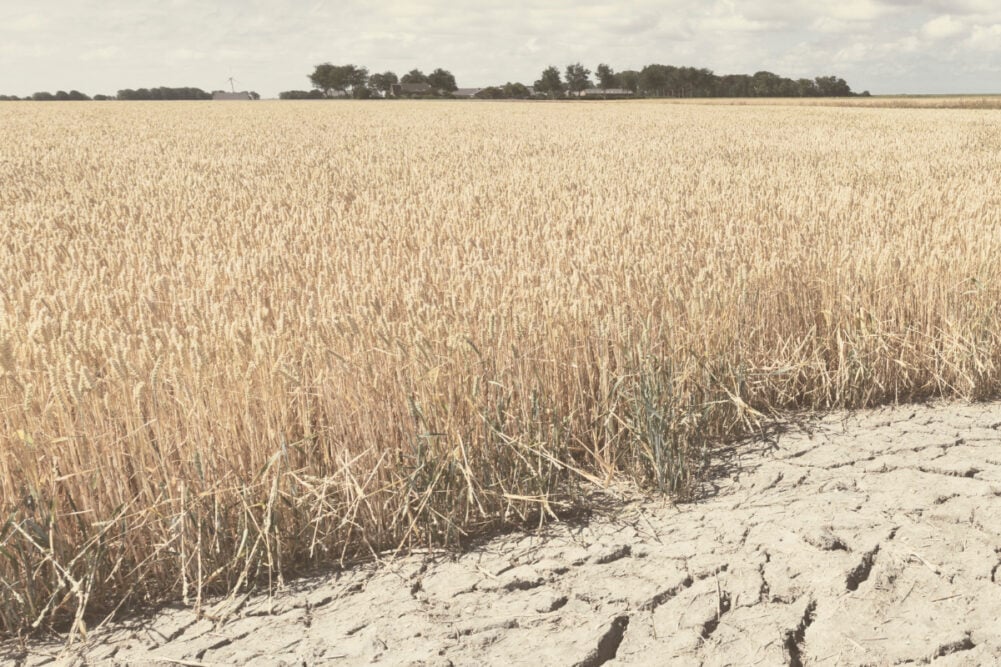
Iraq, which in recent years has come close to becoming self-sufficient in wheat, is at risk of losing those gains due to a severe water crisis. In Najaf province, farmers are leaving fields unsown due to water shortages, while fertile land along the Euphrates is rapidly drying up.
Maan al-Fatlawi, a local farmer, said he used to rely entirely on the Euphrates for irrigation, but this season irrigation has become a problem. He said drilling wells is not working because the groundwater is salty and river water supplies are often delayed or cut.
Historically one of the largest wheat importers in the Middle East, Iraq has achieved a grain surplus in the past three years thanks to government support and increased plantings. This has allowed the country to meet its own needs for the strategic crop and strengthen its food security.
But the driest year in modern history and record low water levels in the Tigris and Euphrates rivers have changed the picture dramatically. The reduction in the area sown could lead to a 50% drop in the wheat harvest this season, jeopardizing plans to maintain self-sufficiency.
The UN Food and Agriculture Organization says Iraq is experiencing one of its worst droughts in decades. The water crisis not only highlights the country’s dependence on natural resources, but also exposes its vulnerability to the actions of neighboring states that control the upper reaches of key rivers in the region.




Got additional questions?
We will be happy to assist!
Write to us
Our manager will contact you soon