

Scientists developed a sunflower husk-based battery
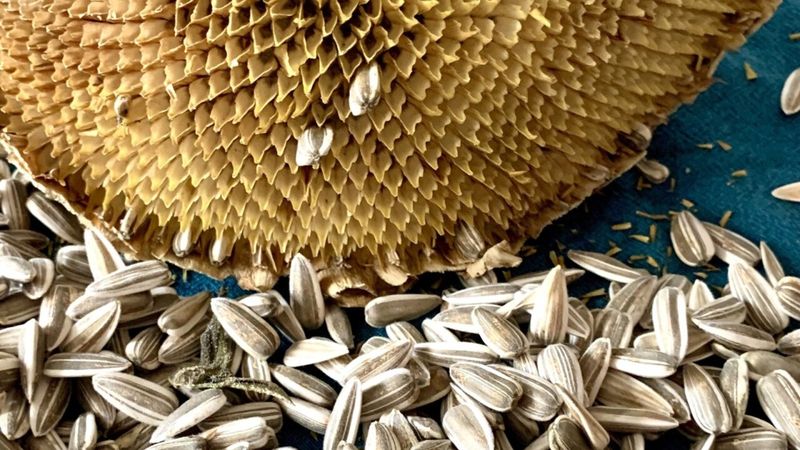
Researchers at a Spanish university have presented the results of a study demonstrating the possibility of using sunflower waste in battery production. The work was published in the Journal of Power Sources.
The scientists tested various types of biomass, including coffee waste, plant residues, grape seeds and skins, corn cobs, as well as compost. According to the research team, the most promising raw material for creating anodes for sodium-ion batteries was sunflower husk. Carbon materials derived from it showed stability and the ability to withstand up to 1,000 charge-discharge cycles while maintaining a sufficient level of energy capacity.
Additionally, the researchers conducted a life-cycle analysis of different material combinations to determine the optimal balance between performance and environmental impact. According to their assessment, the proposed solutions reduce environmental burden by using sunflower waste and decreasing reliance on the extraction of rare metals.
As noted in the study, sodium-ion batteries are considered a potential alternative to lithium-ion batteries, which are widely used today in electronics and electric transport. At the same time, the production of conventional batteries involves the use of scarce and environmentally sensitive resources, driving the search for more sustainable solutions.
The authors emphasize that at the current stage, such batteries lag behind lithium-ion batteries in several characteristics and cannot fully replace them in large-scale applications. However, they are considered a promising solution for small devices and as part of a diversification of energy storage technologies.




Got additional questions?
We will be happy to assist!
Write to us
Our manager will contact you soon