

Record harvest in Kazakhstan has led to an increase in grain exports and a strain on logistics
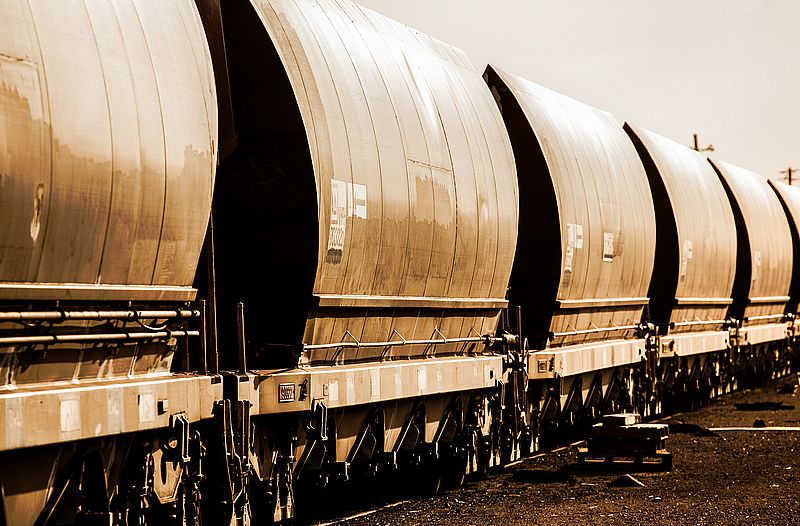
Rustam Zhanatayev, Managing Director of the National Company “Food Contract Corporation,” reported that the grain season that ended in August 2025 produced a record volume of grain. From September 2024 to August 2025, Kazakhstan exported over 10 million tons of grain. A significant volume was also shipped to the domestic market.
According to Rustam Zhanatayev, while Kazakhstan exported an average of 500,000-600,000 tons of grain annually to countries in North Africa, Southeast Asia, and the European Union, this figure exceeded 2 million tons last season.
He emphasized that this result was made possible thanks to the significant support of the national company Kazakhstan Temir Zholy. Freight transportation was stable and smooth.
Rustam Zhanatayev noted that this trend will continue in the current season. Subsidizing exporters’ transportation costs allows them to optimize costs and send even larger volumes of Kazakhstani grain to global markets.
Commenting on the current situation at the Saryagash border station, a senior manager at the Food Corporation emphasized that it is seasonal in nature. The harvest has been record-breaking for the second year in a row, and export volumes have increased significantly.
Central Asian countries traditionally purchase large quantities of grain at the start of the season—at rock-bottom prices—and then repurchase smaller quantities throughout the year. This has led to a high concentration of shipments at a single border crossing.
In winter, the load is increased by additional cargo—coal, fuel oil, and other energy products—which collectively creates transportation congestion and causes temporary difficulties along the route.
“These are objective seasonal factors. They are not related to the actions or inactions of the national carrier. On the contrary, KTZ is doing its utmost to fulfill all its freight transportation obligations,” noted Rustam Zhanatayev.
Restrictions on exports through the Caspian Sea and to China are also worth mentioning. There is a shortage of seagoing vessels in the Caspian Sea, and a bottleneck remains on the route to China—Chinese border services are unable to process documents quickly. These factors are also temporarily reducing export volumes, but the reasons for this are objective.
According to the Food Corporation, seagoing vessels are expected to return to the Caspian Sea in the coming days, which will normalize logistics. Stabilization is also expected on the Saryagash route.
Furthermore, with the launch of subsidies for 2026, the main flow of grain will once again go to global markets—primarily via transit through the Russian Federation, rather than through Saryagash. This will reduce the burden on the border crossing and improve the situation.
Read also
Black Sea & Danube: Crop and Export Forecast
Ukraine to expand sunflower and rapeseed area while soybeans decline — FAS USDA
Wheat faces biggest weekly drop in eight months on higher inventories
Cargill’s head of world trading departs firm after three decades
Indonesia deploys African weevils to boost palm oil output




Got additional questions?
We will be happy to assist!
Write to us
Our manager will contact you soon