

Palm opens lower on weaker Dalian palm olein, crude oil
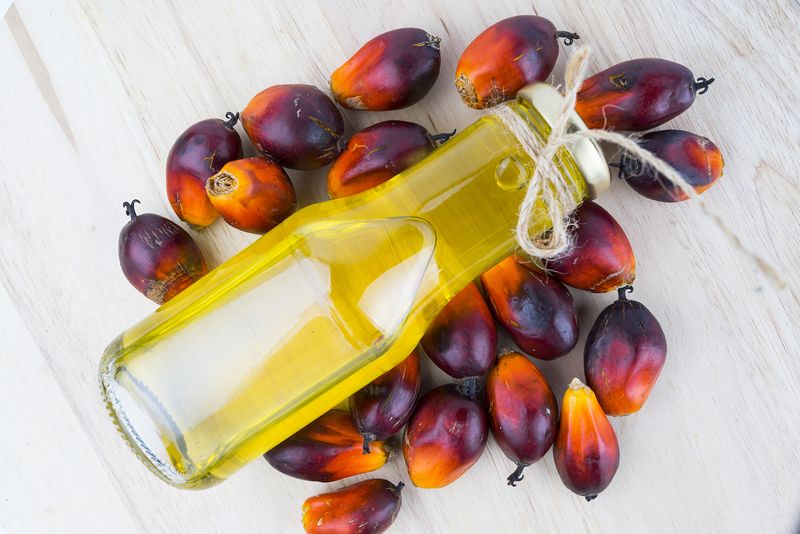
Malaysian palm oil futures fell for a second straight session on Thursday, pressured by weaker Dalian palm olein and crude oil, and expectations of higher output.
The benchmark palm oil contract for January delivery on the Bursa Malaysia Derivatives Exchange slid 31 ringgit, or 0.75 per cent, to 4,093 ringgit (US$968.99) a metric ton in early trade.
Dalian’s most-active soyoil contract rose 0.1 per cent, while its palm oil contract shed 0.87 per cent. Soyoil prices on the Chicago Board of Trade were up 0.08 per cent.
Palm oil tracks price movements of rival edible oils, as it competes for a share of the global vegetable oils market.
Oil prices fell for a second day as an industry report showing rising crude inventories in the US, the world’s biggest crude consumer, reinforced concerns that global supply is more than ample to meet current fuel demand.
Weaker crude oil futures make palm a less attractive option for biodiesel feedstock.
The ringgit, palm’s currency of trade, strengthened 0.07 per cent against the dollar, making the commodity more expensive for buyers holding foreign currencies.
Malaysia’s crude palm oil production is expected to surpass 20 million tons for the first time in 2025, supported by favourable weather, improved labour supply, and higher-yielding new plantations, trade and industry officials told Reuters.
Indonesia’s palm oil output for January to September was more than 43 million tons, an annual increase of 11 per cent, Indonesia Palm Oil Association (GAPKI) chair Eddy Martono said.
Stocks and gold paused for breath on Thursday as the US Congress voted to end the longest government shutdown on record, with markets waiting for the resumption of US economic data to gauge the rates outlook.
Further development of the grain and oilseed markets of Ukraine and the Black Sea region will be in the spotlight of the BLACK SEA GRAIN. KYIV conference, taking place on April 22–23 in Kyiv. The event will focus on strategic directions for the agricultural sector through 2030, including investments, energy independence, processing, and exports of high-value products.
Join strategic discussions and networking with industry leaders to gain актуальна insights, discover new business opportunities, and build partnerships with key market players.
Read also
Black Sea & Danube: Crop and Export Forecast
Stronger currencies and war-linked costs push rice prices higher in key export hubs
US becomes Bangladesh’s leading soybean supplier
Export “window” of Ukrainian barley to Turkey may close
Fuel and fertilizer disruptions to reduce Australia’s canola production




Got additional questions?
We will be happy to assist!
Write to us
Our manager will contact you soon