

Palm opens higher on weak ringgit, weak rival oils cap rise
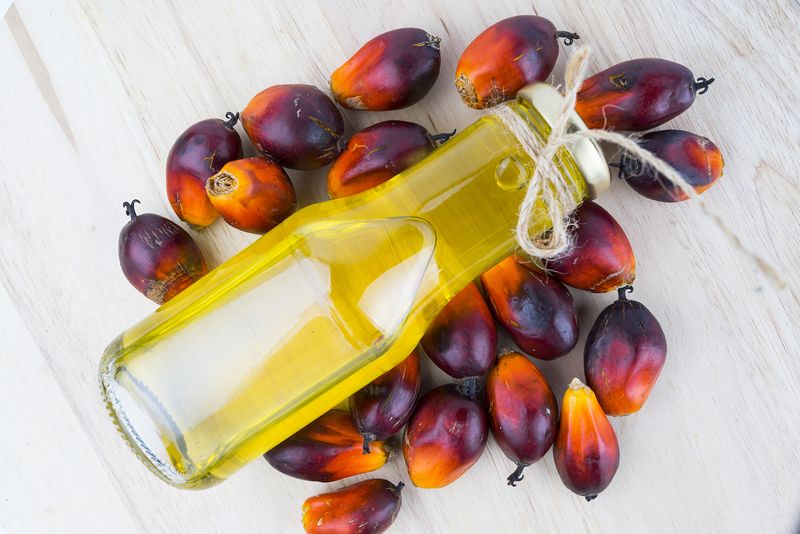
Malaysian palm oil futures opened higher on Wednesday, as the market rebounded after a two-day slide, supported by a weaker ringgit, though declines in rival edible oils capped the rise.
The benchmark palm oil contract for November delivery on the Bursa Malaysia Derivatives Exchange gained 18 ringgit, or 0.4 per cent, to 4,488 ringgit (US$1,067.30) a metric ton.
The contract fell 1.3 per cent in last two sessions.
The ringgit, palm’s currency of trade, weakened 0.28 per cent against the dollar, making the commodity cheaper for buyers holding foreign currencies.
Dalian’s most-active soyoil contract fell 0.97 per cent, while its palm oil contract lost 0.19 per cent. Soyoil prices on the Chicago Board of Trade (CBOT) eased 0.07 per cent.
Palm oil tracks the price movements of rival edible oils as it competes for a share of the global vegetable oils market.
Oil prices were little changed after falling on Tuesday, as the market awaited the massive new US tariffs on goods from India, the world’s third-largest crude consumer, in response to its purchases of Russian oil.
Stronger crude oil futures make palm a more attractive option for biodiesel feedstock.
European Union soybean imports for the 2025-26 season that began in July reached 1.96 million metric tons by August 24, down 8 per cent year-on-year, while palm oil imports declined 34 per cent to 352,275 million tons, data from the European Commission showed.
The US has agreed in principle to exempt Indonesian exports of cocoa, palm oil and rubber from the 19 per cent tariff that took effect on August 7, Indonesia’s top trade negotiator said.
Asian stocks were steady on Wednesday ahead of an earnings report from AI leader Nvidia that will shape near-term risk sentiment, while the US dollar was frail as investors remained nervous about attacks on Federal Reserve autonomy.
Further development of the grain and oilseed markets of Ukraine and the Black Sea region will be in the spotlight of the BLACK SEA GRAIN. KYIV conference, taking place on April 22–23 in Kyiv. The event will focus on strategic directions for the agricultural sector through 2030, including investments, energy independence, processing, and exports of high-value products.
Join strategic discussions and networking with industry leaders to gain актуальна insights, discover new business opportunities, and build partnerships with key market players.
Read also
Brazil’s grain sector continues structural transformation
Black Sea & Danube: Crop and Export Forecast
Iran ceasefire shifts soybean market focus to Brazil and rising global supply
Turkey expects a better wheat harvest, but the agricultural sector faces new chall...
Turkish Ports Added to UkrAgroConsult LineUp Reports




Got additional questions?
We will be happy to assist!
Write to us
Our manager will contact you soon