

Palm oil under pressure as inventory piles up with rising supply, say analysts
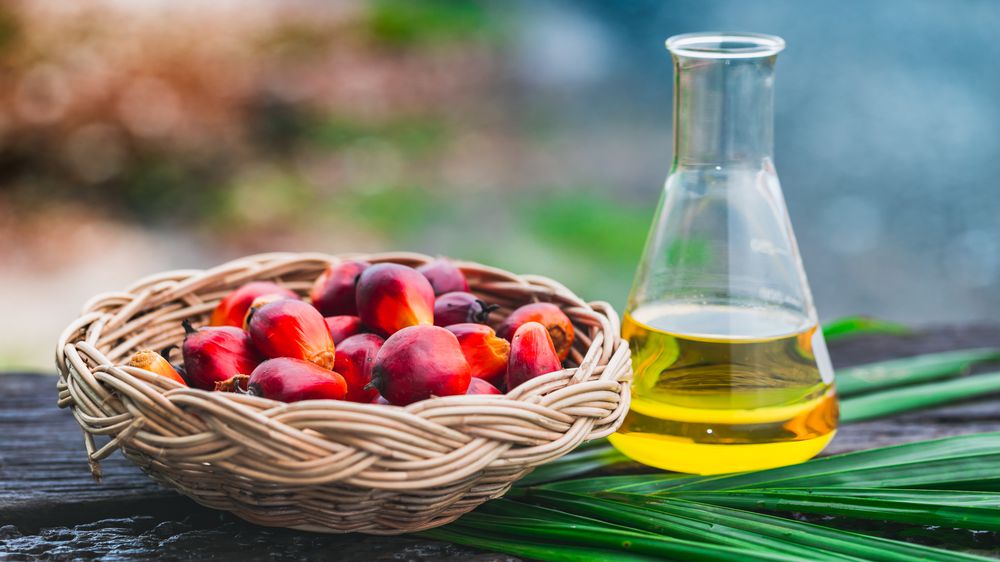
Palm oil production may begin picking up in July on seasonal strength, potentially taking the air out of an expected swell in prices from temporary spike in demand to beat US tariffs, analysts said.
After a dip in June, output is expected to rebound as harvesting ramps up towards the peak season from favourable weather conditions. The rise in production is expected to expand inventory in Malaysia by about 6% in July after hitting an 18-month high in June, said CIMB Securities.
“Production is projected to be higher owing to more harvesting days,” while exports have already shown a positive start in July, the house said.
Exports of palm oil from Malaysia, the world’s largest palm oil producer after Indonesia, has risen 5.3% from June in the first 10 days of July, according to data from cargo surveyor Intertek Testing Services. Production typically strengthens month-on-month before peaking in October or November.
The market was caught off guard earlier this week when US announced a 25% import tariff on all Malaysian goods. Indonesia meanwhile was slapped with 32% tariffs, raising the cost of palm oil for US buyers and prompt a shift towards cheaper domestic alternatives such as soybean oil.
“Ahead of the tariff hike, buyers may consider front-loading purchases to take advantage of the current lower 10% tariff rate on US imports from Malaysia,” CIMB Securities said.
Prices of the edible oil used in everything from lipstick to diesel have climbed above RM4,000 per tonne mark this month after gaining 12% from its lows in May.
Price-sensitive markets, particularly major importer India, are now showing “signs of caution, with buyers adopting a wait-and-see approach”, said Phillip Securities. That may keep prices range-bound, the house said.
“While short-term support may come from restocking and relative pricing competitiveness, we remain cautious heading amid heightened market volatility, rising input costs, and broader macroeconomic risks, including potential trade disruptions,” the house added.
Further development of the grain and oilseed markets of Ukraine and the Black Sea region will be in the spotlight of the BLACK SEA GRAIN. KYIV conference, taking place on April 22–23 in Kyiv. The event will focus on strategic directions for the agricultural sector through 2030, including investments, energy independence, processing, and exports of high-value products.
Join strategic discussions and networking with industry leaders to gain актуальна insights, discover new business opportunities, and build partnerships with key market players.
Read also
Black Sea & Danube: Crop and Export Forecast
Ukraine to expand sunflower and rapeseed area while soybeans decline — FAS USDA
Wheat faces biggest weekly drop in eight months on higher inventories
Cargill’s head of world trading departs firm after three decades
Indonesia deploys African weevils to boost palm oil output




Got additional questions?
We will be happy to assist!
Write to us
Our manager will contact you soon