

Pakistan plans to cut palm oil imports and boost oilseed production
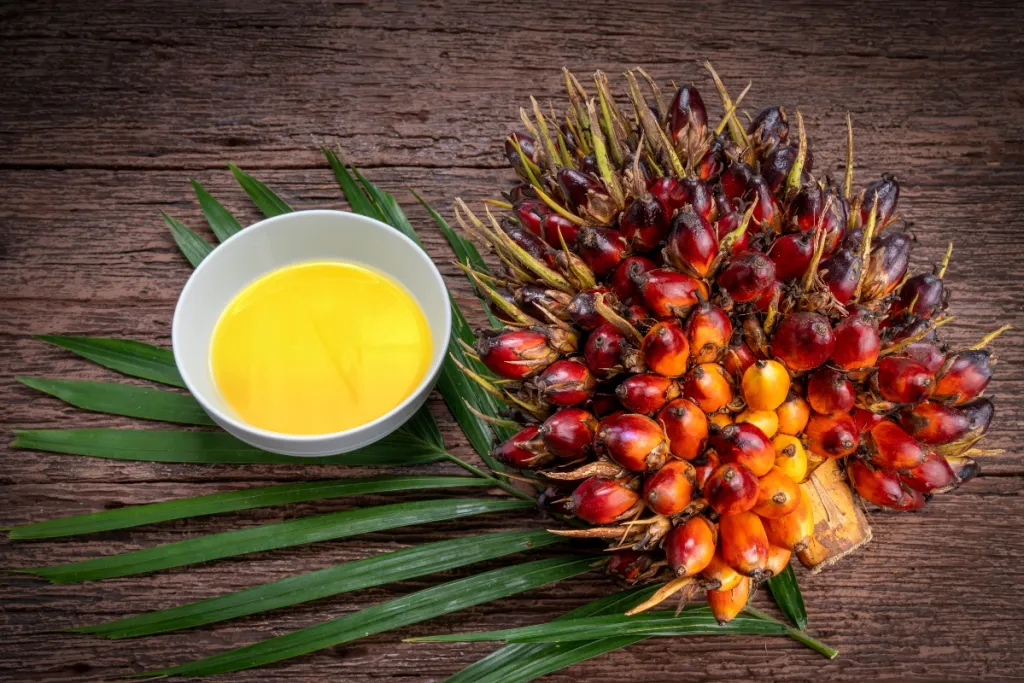
Pakistan has developed a two-phase strategy to reduce its dependence on edible oil imports, with the annual palm oil import bill alone reaching $3.8 billion. The plan focuses on expanding domestic oilseed production and gradually replacing imports.
Under the first phase, covering 2026–2031, the government plans to increase production of sunflower seed, canola, rapeseed, sesame and soybeans. A specific target has been set to raise sunflower seed production to 2 mln tons.
The government estimates that the five-year programme could generate around $3.45 billion in import savings. The second, 10-year phase will focus on expanding oilseed acreage and is expected to deliver more than $7 billion in import-substitution benefits.
As part of the National Oilseed Policy, the government has also proposed a regulatory duty of up to 40% on imported edible oils. The measure is intended to support local producers and encourage investment in domestic processing.
Pakistan currently meets only about 10% of its edible oil requirements through domestic production, while the remaining 90% is covered by imports. The government expects that expanding oilseed acreage and output will help reduce dependence on foreign supplies and lower foreign-currency spending.
Read also
Coming Up in UkrAgroConsult Reports: Key Market Signals
Südzucker expects sugar prices to recover as EU supply tightens
Delays in edible oil shipments could force Ukrainian oilseed crushing plants to sh...
Ukraine resumes sunseed exports to Bulgaria after September pause
Black Sea grain surplus could trigger a collapse in global prices once ports reopen




Got additional questions?
We will be happy to assist!
Write to us
Our manager will contact you soon