

Pakistan: Farmers threaten to reduce wheat cultivation next year, millers demand deregulation of procurement
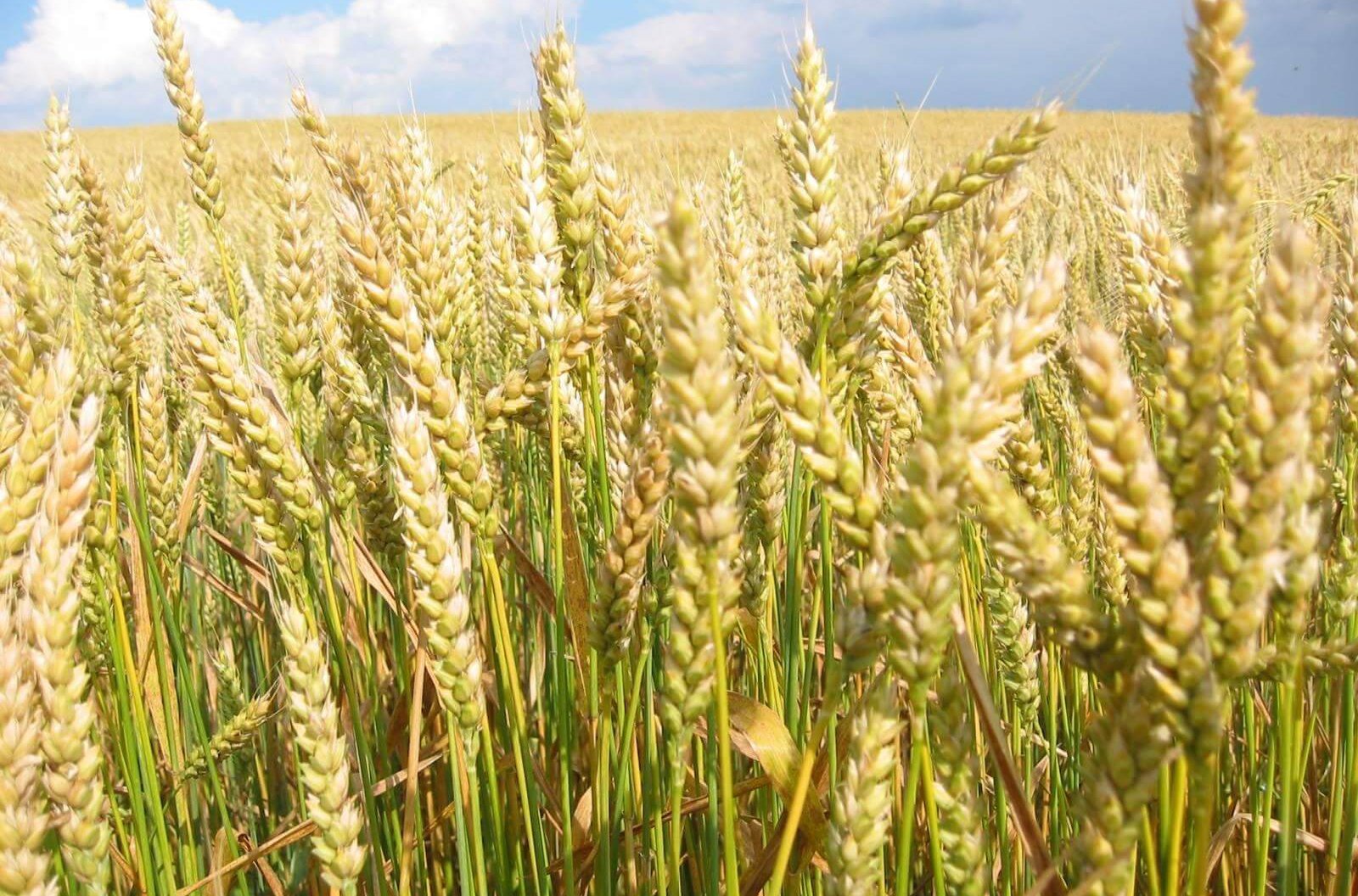
As wheat harvesting peaks in Punjab and Sindh, the country’s wheat sector finds itself at a crossroads, with conflicting views over government intervention and deregulation. The flour milling industry is calling for a market-driven approach to the wheat supply chain, which it believes could unlock the full potential of the sector and benefit all stakeholders, from farmers to consumers.
He explained that deregulation would allow market forces of supply and demand to determine prices, improving efficiency and fostering sustainable growth within the sector.
Despite these calls for reform, the Punjab government continues to implement price controls, including a Rs3,000 price cap per 40kg in wholesale markets, a move which has raised concerns among private sector stakeholders.
Abdullah also pointed to the disruptions caused by the Punjab government’s sudden cessation of wheat procurement activities and the federal government’s failure to announce a minimum support price, which led to wheat prices dropping from Rs3,900 to Rs2,200 per 40kg.
At a press conference, Khokhar accused the government of neglecting farmers and announced plans for a protest, including reducing wheat cultivation in the coming year. He rejected the Punjab government’s aid package, claiming that it had done little to address the root problems of the sector.
Khokhar also criticised the politicisation of the issue, pointing out that while the PML-N government in Punjab was under fire, similar issues were occurring in other provinces under the control of the PPP and PTI.
Kirmani also detailed the government’s initiatives to empower the private sector, including interest-free loans worth Rs110 billion to flour mills and private companies, and a mandate for mills to purchase 25% of the wheat stock.
The government also implemented Electronic Warehouse Receipts (EWR) to help farmers store their wheat and access immediate cash through bank loans, and it amended the Food Grains Licensing Control Order 1957 to ensure 25% wheat procurement by flour mills.
For almost 30 years of expertise in the agri markets, UkrAgroConsult has accumulated an extensive database, which became the basis of the platform AgriSupp.
It is a multi-functional online platform with market intelligence for grains and oilseeds that enables to get access to daily operational information on the Black Sea & Danube markets, analytical reports, historical data.
You are welcome to get a 7-day free demo access!!!
Read also
Due to new Indonesian requirements, Ukrainian wheat tests may take up to five days
Morocco faces challenges in collecting record wheat harvest
India’s vegetable oil imports rise nearly 7% on strong soybean oil purchases
Corn will be grown in Mongolia
Malaysia expands B15 biodiesel programme and advances several regions to B20 blend



Got additional questions?
We will be happy to assist!
Write to us
Our manager will contact you soon