

Nigeria advances toward full membership in council of palm oil producing countries
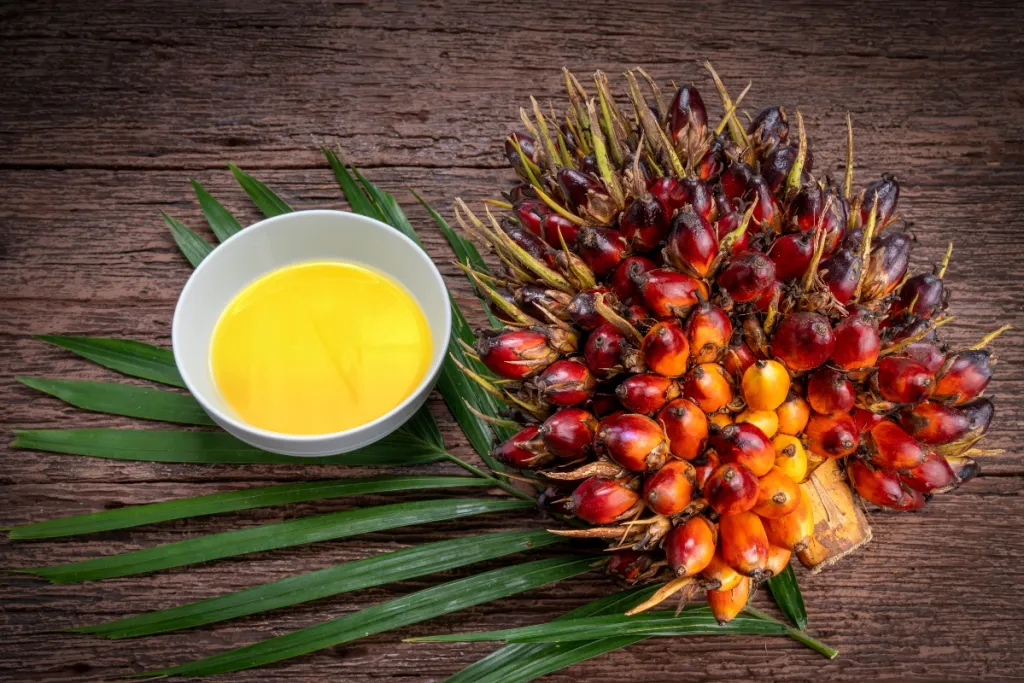
Nigeria is preparing to transition from observer to full member status in the Council of Palm Oil Producing Countries (CPOPC) as early as April 2026. During a weekend meeting in Abuja with a CPOPC delegation, Minister of Agriculture and Food Security Abubakar Kyari announced that his ministry has established a technical committee to evaluate and facilitate a smooth accession process. The move reflects Nigeria’s recognition of palm oil as a strategic export commodity capable of generating substantial foreign exchange earnings and supporting healthier domestic consumption patterns.
The minister highlighted the urgent need for collaboration with CPOPC member countries to introduce climate-smart, high-yielding, and disease-resistant oil palm varieties. Such improved planting materials would enable Nigerian smallholder farmers to significantly boost productivity and help restore the country’s historical position as one of the world’s leading palm oil producers. Access to advanced genetics and best practices through the council is seen as a key enabler for revitalizing the sector.
Alphonsus Inyang, President of the National Palm Produce Association of Nigeria (NPPAN), outlined ambitious long-term targets: achieving over 10 million tonnes of palm oil production annually by 2050. The plan includes mobilizing household farmers to cultivate one hectare each, potentially covering 2.5 million hectares nationwide and generating an estimated N20 trillion in annual economic value from the smallholder segment alone. Large-scale commercial plantations will develop in parallel to accelerate volume growth.
CPOPC Secretary-General Izzana Salleh confirmed that Nigeria’s observer status, granted in 2024, is set to expire in November 2026. She assured full support from the council for Nigeria’s goals of strengthening domestic production, improving food security, and developing a competitive, sustainable palm oil value chain. Full membership would strategically position Nigeria to play a more influential role in global vegetable oil discussions and benefit from enhanced cooperation among major producing nations.
The ongoing CPOPC mission to Nigeria aims to deepen engagement, accelerate the membership process, and align national ambitions with the council’s broader objectives of empowering smallholders, promoting sustainability, and fostering science-based dialogue on palm oil and other vegetable oils. Successful accession is expected to provide Nigeria with greater access to technology transfer, market insights, and joint initiatives, ultimately strengthening both domestic supply and export potential in one of Africa’s most important agricultural value chains.




Got additional questions?
We will be happy to assist!
Write to us
Our manager will contact you soon