

Meat consumption in Argentina has reached its lowest level in 20 years
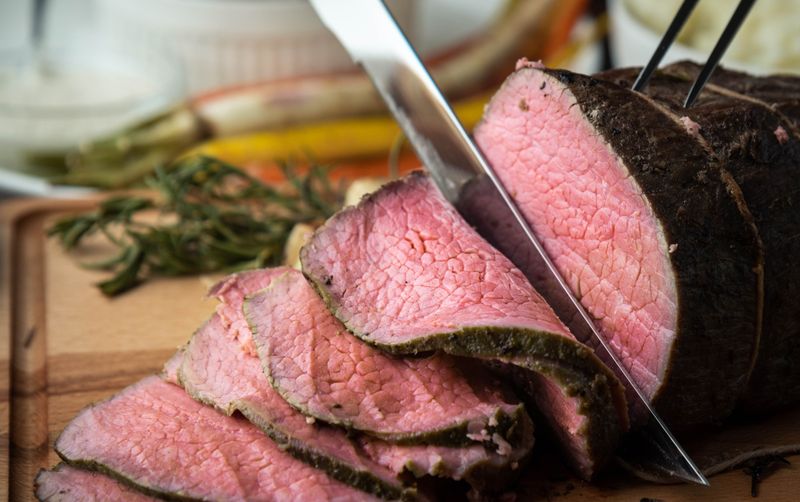
The Argentine Chamber of the Meat and Meat Processing Industry reported disastrous data on meat production and consumption. A sharp decline compared to last year and alarming figures on a historic scale. Supply is shrinking, prices are rising, consumption is plummeting, but exports to the US and Israel are increasing.
Recently, the Argentine national government celebrated the conclusion of a trade agreement with the US with great fanfare. One of the most significant developments was the expansion of the beef export quota to the United States. Meanwhile, within Argentina, there has been a steady decline in beef consumption among Argentine families, and now in the production of the country’s flagship product. This is the perfect embodiment of the Argentina that Miley envisions: everything is exported, export revenues are concentrated in the hands of a few, and the domestic market is in a state of complete depression, with families cutting back on even the most essential expenses, so that everything that can be exported is exported.
At the beginning of 2026, the situation on the meat market became particularly pronounced. The Argentine Chamber of Meat Industry and Commerce (CICCRA) reported disastrous figures for meat production and consumption in January, with a sharp drop in both metrics, a stark contrast to the already weak forecasts for 2025. In the first month of the year, meat consumption in the country fell 13% compared to the previous January, the worst figure in 20 years.
Per capita consumption was 47.9 kilograms per year, down 0.5% from the same month in 2025 and the lowest in two decades of data collection, according to CICCRA. But the crisis is affecting not only consumption but also production. Between December and January, slaughter volume fell by 16.1%, and compared to January 2025, the decline was 11.8%. Thus, January of this year ranked 36th among the last 47 Januarys analyzed in terms of slaughter volume.
Naturally, this decline in production is impacting domestic prices. CICCRA itself has acknowledged an average meat price increase of 70.8% over the past 12 months, with peaks such as the price of asado (ribs), which rose by 74.2%. This represents an increase of more than 100% compared to the overall annual inflation rate of 32.4%. Consequently, the first weeks of February saw further significant price increases, making meat consumption increasingly unaffordable for Argentine families.
Meanwhile, while overall export figures also showed a year-on-year decline (albeit significantly less than the decline in domestic consumption), some markets have benefited significantly over the past 12 months. While sales to China, the world’s largest buyer of Argentine beef, fell 15.4% year-on-year, the growth in meat exports was driven by two key destinations: the United States and Israel.
Exports to this North American country increased 22.8% year-on-year, and this figure could increase further after the trade agreement takes effect. Meanwhile, Argentine beef exports to the Middle Eastern country that Miley has chosen as his spiritual homeland have grown 136.9% over the past year. Americans enjoy barbecue, a treat sorely missed on family Sunday dinners in Argentina.
Read also
Ukrainian corn exports in March exceeded last year’s volumes by 14%
EU reduced imports of all oilseeds except sunseed since the start of the season
Odesa port to cooperate with Europe’s largest port as memorandum signed
Blockade of the Strait of Hormuz threatens a systemic shock to the food market
Ukraine Adjusts to Costly Spring Campaign and Builds a New Farming Model




Got additional questions?
We will be happy to assist!
Write to us
Our manager will contact you soon