

Major soybean traders may exit Amazon protection pact to preserve tax venefits in Brazil
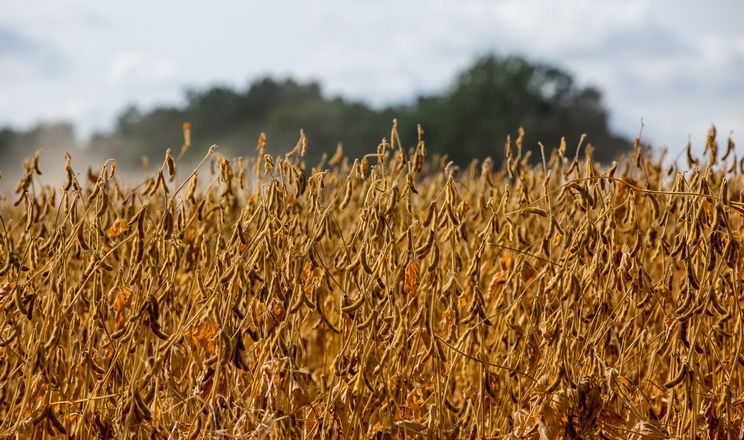
Some of the world’s largest soybean trading companies are preparing to abandon the Amazon Soy Moratorium, a landmark agreement that has helped curb deforestation in Brazil for nearly two decades. The move is driven by a new law in the state of Mato Grosso that will strip tax incentives from companies participating in environmental conservation programs starting in January.
According to sources familiar with the matter, traders are seeking to protect significant financial benefits as Mato Grosso — Brazil’s top agricultural state — enforces the new rules. The state produced around 51 million metric tons of soybeans in 2025, surpassing Argentina, and hosts key operations of major global exporters.
A preliminary audit found that grain traders received tax incentives worth about 4.7 billion reais ($840 million) between 2019 and 2024. ADM and Bunge were the largest beneficiaries, each receiving roughly 1.5 billion reais. Alongside Cargill, China’s Cofco, and Brazil’s Amaggi, these firms are signatories to the Amazon Soy Moratorium signed in 2006 with the federal government and environmental groups.
The moratorium prohibits the purchase of soy grown on land deforested after 2008 and is widely credited as one of the most effective tools for slowing deforestation in the Amazon. Researchers estimate that without the pact, rainforest loss to soy expansion could have reached an area the size of Ireland. However, powerful farm lobbies in Mato Grosso argue that the agreement restricts markets and undermines the state’s economic development.
Brazil’s federal government has challenged the Mato Grosso law in court, warning that it weakens national environmental commitments. Officials from the Environment Ministry say that if tax incentives are indeed removed, many companies may leave the moratorium for economic reasons, though no firm has formally notified the government so far.
Environmental groups caution that the collapse of the Amazon Soy Moratorium could set a dangerous precedent, paving the way for the rollback of other environmental protections in the world’s largest soybean producer. At a time of record global temperatures and deepening climate concerns, such a shift could accelerate deforestation in the Amazon and intensify international scrutiny of Brazil’s agribusiness sector, particularly from the European Union.
Read also
Sunseed prices have risen in Ukraine
China sees rising wheat auction clearance rates amid strong demand
Uzbekistan to ease raw material imports for sunflower oil and other products
BLACK SEA GRAIN. KYIV: Join with a SMART rate by March 31!
Philippines plans 30-day rice price cap amid rising fuel costs




Got additional questions?
We will be happy to assist!
Write to us
Our manager will contact you soon