

Iran steps up food security measures amid threat of US strike
Iranian President Masoud Pezeshkian has ordered the expansion of powers for provincial governors to ensure the uninterrupted functioning of the state in the event of a military attack or the loss of central authority. The new mandate includes the ability to independently make decisions on the expedited import of essential goods, including food, grain, vegetable oil and other basic commodities. This would allow regional authorities to coordinate directly with judicial and state institutions, bypassing bureaucratic delays in Tehran to prevent food shortages in a potential conflict.
Iran remains heavily dependent on grain imports: despite domestic wheat production of around 13 mln tons in the 2025/26 season, reduced by drought, the country annually imports 2–4 mln tons of wheat, mainly from Russia, as well as significant volumes of corn, largely from Brazil, along with rice and soybeans. Strategic wheat reserves are estimated at about 4 mln tons, sufficient to cover only several months of demand, while any disruption in the Strait of Hormuz or new sanctions could severely affect supplies. The government has already stepped up purchases using preferential exchange rates for agricultural importers.
Amid mass protests driven by soaring inflation — with prices for cooking oil and bread rising severalfold in recent weeks — and a broader economic crisis, authorities have introduced new food subsidies and announced a five-year pilot program to support agriculture. The initiative aims to strengthen food supply chains, including through guaranteed crop purchases from farmers; in 2025, the state bought around 7.7 mln tons of wheat. At the same time, higher prices for imported fertilizers, fuel and machinery due to sanctions are weighing on productivity gains.
An escalation of the conflict could trigger a sharp rise in grain prices across the Middle East. Even a brief closure of the Strait of Hormuz would threaten disruptions to agricultural supplies throughout the region, heightening the risk of a food crisis.
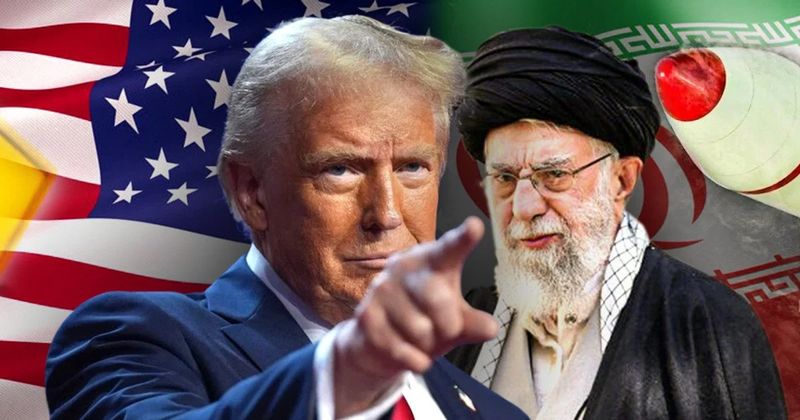
As a reminder, US President Donald Trump has deployed a carrier strike group to the region, describing it as a “huge armada,” more powerful than forces previously stationed near Venezuela. Despite the military buildup, Trump has said he believes a diplomatic resolution remains entirely possible.




Got additional questions?
We will be happy to assist!
Write to us
Our manager will contact you soon