

India expects a volatile edible oil balance in MY 2026/27
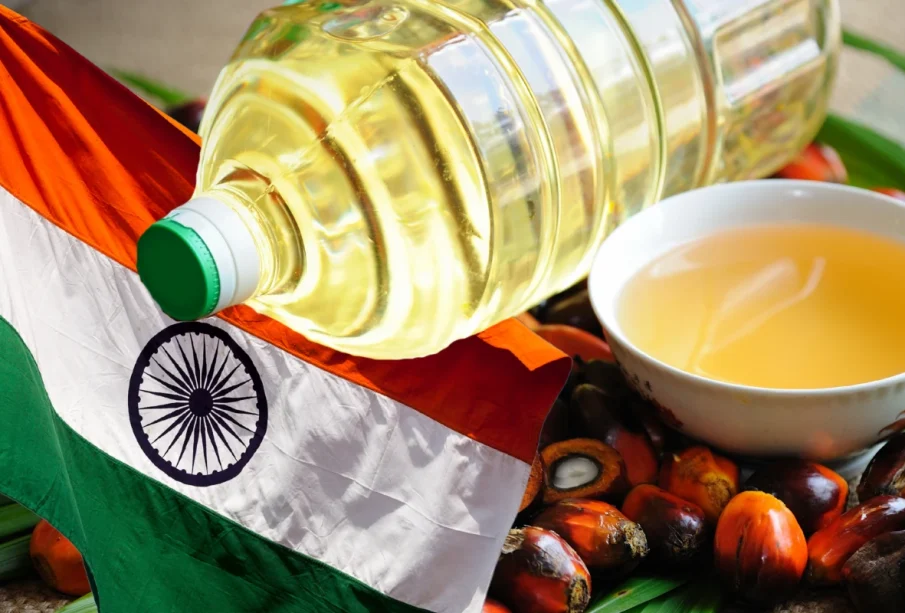
India’s edible oil market may remain volatile in the MY 2026/27 due to weather risks, prospects for domestic oilseed production and the country’s high dependence on imports. Palm, soybean and sunflower oils will remain the main components of external supplies. The outlook was discussed at the 55th Annual General Meeting of the Solvent Extractors’ Association of India (SEA), where industry and weather experts reviewed the market prospects for MY 2026/27.
The outlook for the oilseed crop remains mixed. As of September 11, the area planted to oilseeds stood at about 19.4 mln ha, broadly in line with last year, while soybean and groundnut acreage was close to 2025 levels and sunflower acreage increased by 92%. At the same time, deficient and uneven monsoon rainfall poses risks to oilseed yields.
Imports will remain critical for meeting domestic demand. According to SEA data, India imported 13.88 mln t of vegetable oils between November 2025 and August 2026, up 4% from the same period of the previous season. Palm, soybean and sunflower oils remain the main components of imports.
The price advantage between major vegetable oils could determine India’s import mix in MY 2026/27. Palm oil remains a core component of supplies, while soybean and sunflower oils compete for demand depending on global prices, availability and price differentials. In late September, India cut import duties on all three oils, while the duty on crude sunflower oil was removed entirely.
Thus, India’s vegetable oil balance in MY 2026/27 will depend not only on the domestic oilseed crop but also on the price relationship between palm, soybean and sunflower oils on the global market. Adverse weather or lower domestic supply could increase India’s reliance on imports, making Indian demand an important factor for the global vegetable oil market.
Read also
Delayed wheat harvest leads to widespread rodent infestation in Russian fields
Larger US soybean crop fails to ease tight market balance
Ukraine holds talks with Poland and Moldova on relocating border checks to their t...
Syria orders agricultural bank to settle wheat payment arrears within 15–20 workin...
Palm oil prices rise amid strong Malaysian exports and higher soybean oil prices




Got additional questions?
We will be happy to assist!
Write to us
Our manager will contact you soon