

Higher EU demand for rapeseed imports due to reduced harvest
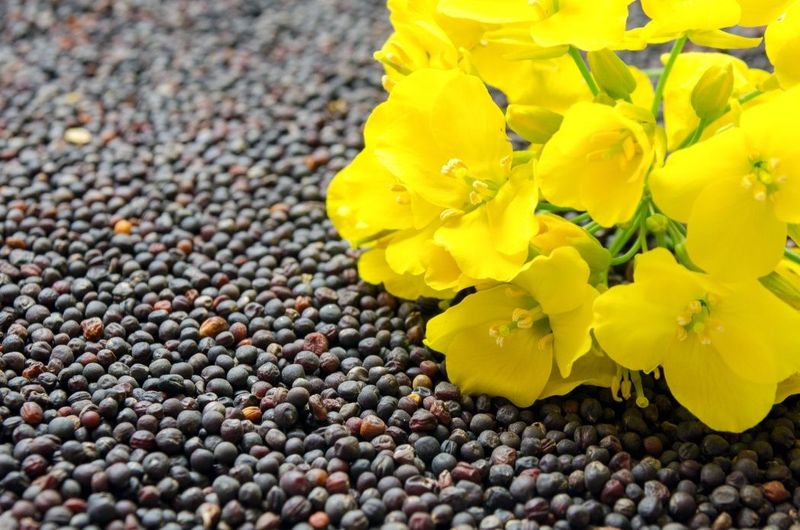

The European Union (EU)’s reliance on rapeseed imports is increasing due to lower production of the oilseed in the bloc last year, Germany’s Union for the Promotion of Plants and Protein (UFOP) reports.
According to the latest forecast by the EU Commission (EC), the EU’s 2024 rapeseed harvest was expected to total approximately 17.2M tonnes, with a rapeseed processing volume of about 23M tonnes.
From the beginning of the 2024/25 crop year and 19 January 2025, EU rapeseed imports totalled 3.4M tonnes, an increase of just over 5% compared to the previous year.
Most imports go to German oil mills, which have a processing capacity of approximately 10M tonnes/year for rapeseed, the 30 January report said.
Accounting for 63% of EU imports, Ukraine remained the key country of origin, with a slight rise in deliveries from 2.1M tonnes the previous year to 2.2M tonnes.
Australia remained the second most important rapeseed supplier to the EU, accounting for almost 26% of EU rapeseed imports and, by mid-January, the country had exported 875,000 tonnes of rapeseed to the bloc.
According to research by Agrarmarkt Informations-Gesellschaft, this was an increase of around 19% compared to the same period the previous year.
Another wave of imports from Australia would follow in the second half of the crop year, the report said.
Despite remaining at a low level, Canadian deliveries more than tripled compared to the previous year to 144,000 tonnes.
As Canadian farmers grow genetically modified (GM) varieties, the use of rapeseed oil derived from Canadian rapeseed is restricted in the EU with imports from the country mainly used for biofuel production.
Meanwhile, Serbia and Moldova supplied only a fraction of the previous year’s volume.
Further development of the grain and oilseed markets of Ukraine and the Black Sea region will be in the spotlight of the BLACK SEA GRAIN. KYIV conference, taking place on April 22–23 in Kyiv. The event will focus on strategic directions for the agricultural sector through 2030, including investments, energy independence, processing, and exports of high-value products.
Join strategic discussions and networking with industry leaders to gain актуальна insights, discover new business opportunities, and build partnerships with key market players.
Read also
Black Sea & Danube: Crop and Export Forecast
Ukraine to expand sunflower and rapeseed area while soybeans decline — FAS USDA
Wheat faces biggest weekly drop in eight months on higher inventories
Cargill’s head of world trading departs firm after three decades
Indonesia deploys African weevils to boost palm oil output




Got additional questions?
We will be happy to assist!
Write to us
Our manager will contact you soon