

Global grain markets enter a period of high volatility as supplies tighten
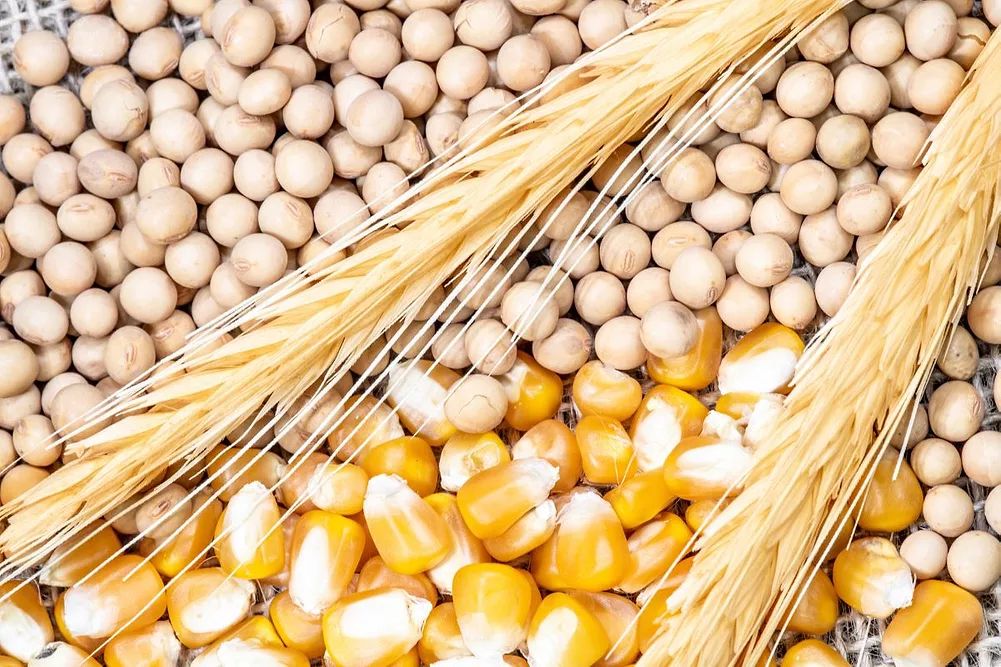
Global grain and oilseed markets are entering a period of heightened volatility as corn and wheat supplies tighten, soybean demand remains strong and crop risks increase across key producing regions. According to CoBank, weaker production prospects in the US, Europe and the Black Sea region are intensifying competition among importers.
The corn market is seeing the greatest pressure. Prices rose by around 20% last quarter as the outlook for the US crop deteriorated. USDA estimates US corn production at 15.8 bln bushels, down 7% year on year. A smaller European crop and declining shipments from Ukraine are adding further pressure on global supplies.
The soybean market presents a different picture. The US is expected to harvest a record 4.54 bln bushels, up 6% year on year. However, record crushing rates and strong export demand could pull ending stocks to their lowest level in three years. Rising demand for soybean oil from the biofuel sector is supporting domestic crush.
The wheat market remains under pressure from shrinking Black Sea shipments. USDA forecasts combined wheat exports from Ukraine and Russia in 2026/27 to fall by 11% year on year to the lowest level in five years. Export constraints are already contributing to rising stocks and prompting producers across the Black Sea region to reduce winter wheat plantings.
South America could provide some relief to tight corn supplies as another strong harvest is expected. However, rising corn use for ethanol production in Brazil and El Niño-related weather risks could limit export availability. CoBank expects weather, logistics and geopolitical risks to keep grain and oilseed markets highly volatile.
Read also
Malaysian palm oil prices fall amid high stocks and weak demand
US beef trimmings imports rise 22% despite weak demand
Brazil expands corn production but channels more grain into domestic market
Labour shortages and high logistics costs constrain Ukrainian apple exports
EU may increase sugar imports by 48% amid declining domestic production




Got additional questions?
We will be happy to assist!
Write to us
Our manager will contact you soon