

Deforestation in the Cerrado is reducing soybean yields in Brazil
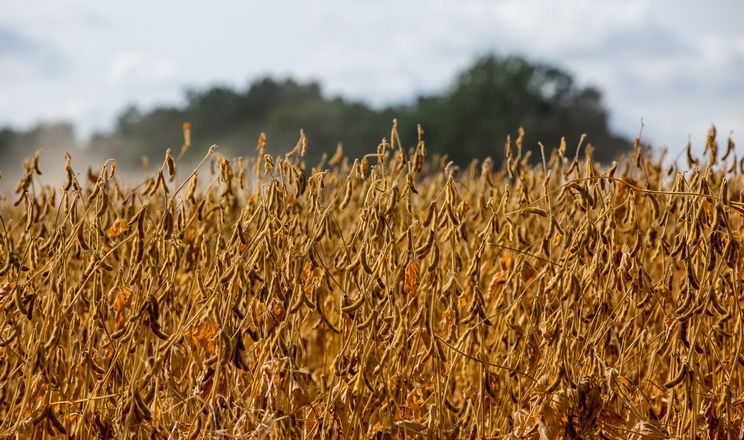
A new study has found that clearing forests for farmland in Brazil’s Cerrado savanna is leading to climate change and declining soybean yields. According to Zero Carbon Analytics, the region lost 34 million tons of soybean production from 2013 to 2023, worth $9.4 billion, due to the impacts of deforestation.
As Reuters reports, the study revealed a paradoxical situation: although average soybean yields in Brazil have increased by 38% over the past decade thanks to technology, climate change caused by deforestation has significantly limited production potential. As study author Joan Bentley-McCoon explained, “production is growing not because of, but in spite of, climate losses.”
The problem is cyclical: declining yields due to droughts force farmers to clear new land, exacerbating the environmental degradation of the Cerrado, Brazil’s second-largest ecosystem after the Amazon. The region accounts for 23% of the country’s land area (over 2 million hectares) and remains critically important for global food security.
Despite the negative trend, Brazil maintains its status as the largest soybean producer and exporter, with a harvest of approximately 178 million tons expected this season. However, experts estimate that without climate-related losses, the figures could have been significantly higher.
Read also
Black Sea & Danube: Crop and Export Forecast
Rapid exports of Ukrainian flour to China unlikely despite market opening
Soybean harvest begins in Argentina
Ukraine, Syria and Turkey discuss logistical routes bypassing the Strait of Hormuz
Brazil ships first DDG batch to China, opening new feed market




Got additional questions?
We will be happy to assist!
Write to us
Our manager will contact you soon