

Corn is the most vulnerable crop for Ukraine due to weak exports – Gorbachev
Before the New Year holidays, the market traditionally enters a lull phase. Almost no activity should be expected until at least mid-January. At the same time, it should be understood that a significant part of buyers has already contracted in individual countries until March inclusive. Therefore, there is currently no demand that could become a driver of price growth. This was reported by the president of the Ukrainian Grain Association (UGA) Mykola Gorbachev in a comment to Latifundist.com.
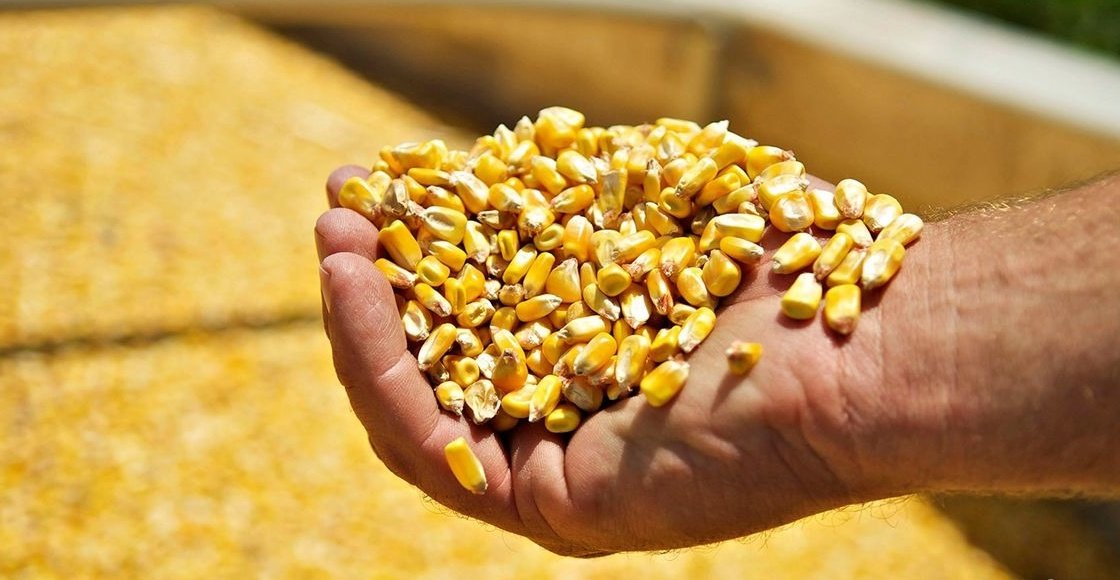
“The most vulnerable crop now is corn. World production has increased, in particular in the US the supply is large, and there is no additional demand for such volumes. At the current export rates — 2.5–3 million tons per month — we risk reaching the end of the season with transitional balances at the level of 4–5 million tons. Individual deliveries, for example, the recent ship to China, do not change the situation. If it were 10 ships, then we would see a revival. And 58 thousand tons is almost nothing,” he says.
According to Gorbachev, wheat looks a little more stable, “it’s still going somehow.” Export rates of about 16 million tons per season are achievable, with a possible deviation of plus or minus a million tons. But in general, the external situation is not on the side of Ukrainian exports at the moment.
The situation is further complicated by infrastructure and security risks. Vessels are forced to wait for weeks to dock for loading, while being in a zone of increased risk. This automatically entails an increase in insurance payments, which also puts pressure on the price. In such a combination of factors, the market becomes even more cautious, Gorbachev notes.
“As for the reduction in purchases by large players, I would say that the seasonal factor prevails here. At the same time, the increase in risks – due to attacks, longer grain transit times, the risk of damage in ports and terminals – forces each company to review its risk management model separately,” he says.
Scenarios like “we brought it to the port and are waiting for shipment” have effectively stopped working. This does not contribute to the accumulation of grain in ports and, as a result, reduces the purchasing activity of large traders, adds the UGA president.
“Today, medium and large players are more focused on accumulation at elevators, rather than on CPT-FOB port logistics. In the current conditions, such a model has become too risky,” says Gorbachev.
He notes that it is worth talking separately about the risks for the oil market. If we compare the number of terminals for grain accumulation and for oil, the difference is dozens of times. Therefore, any destruction of the oil infrastructure creates a much deeper logistics crisis.
“It’s hard to say whether there is a targeted strategy here. I don’t think decisions are made at the level of some kind of ‘general staff.’ Rather, it looks like situational strikes: they see a facility that may be similar to a storage site, and they work on it,” Gorbachev concluded.
Read also
Ukraine 2026–2030: Global Drivers and Local Transformation
US corn planting seen down, soybean acres up as Iran war drives up costs
Following crude oil: Agriculture may be the next victim of the global shock
Tunisia’s olive oil exports rise in volume but revenues fall on lower prices
China launches investigation into US trade practices




Got additional questions?
We will be happy to assist!
Write to us
Our manager will contact you soon