

COCERAL’s first 2026 forecast sees European grain harvest decline
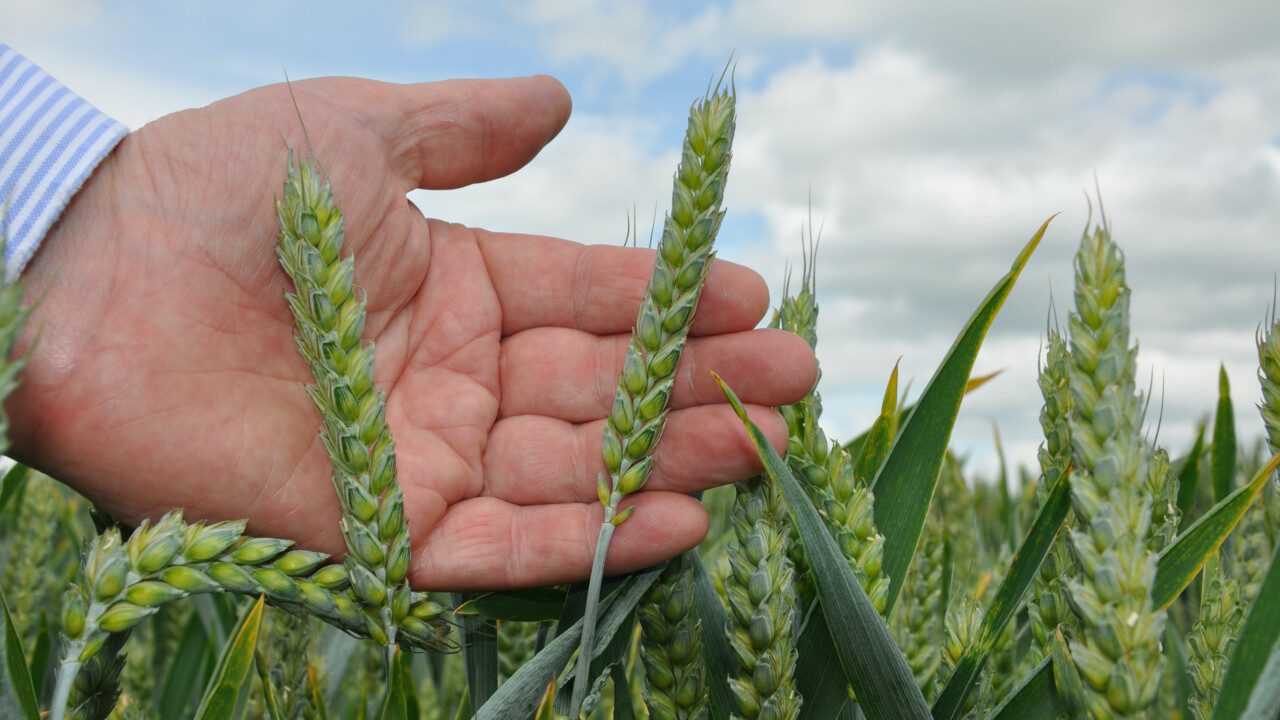
The European association COCERAL has released its first forecast for the 2026 harvest, projecting total production of combinable crops in the EU and the UK at 296.7 million tonnes (Mt), down from 306.6 Mt harvested in 2025. The forecast covers wheat, barley, maize, rapeseed, and other key crops, reflecting slightly lower yields compared with last year’s exceptional output.
Wheat production, excluding durum, is expected at 143.9 Mt, compared with 147.5 Mt in 2025. Although recent rains have provided favourable soil moisture across much of Europe, yields are predicted to drop from the unusually high levels seen last year. Wheat plantings are slightly higher than in 2025, while barley output is forecast to decline from 63.2 Mt to 58.2 Mt due to yields returning to more typical levels. Spain and the UK are expected to see the largest production decreases.
Europe’s maize crop is projected to recover slightly from the drought-impacted 2025 season, with production forecast at 58.9 Mt compared with 57.1 Mt last year. However, plantings are likely to continue shrinking in several regions, including the Balkans and France, as farmers shift to alternative spring crops such as sunflowers and soybeans. EU maize acreage is expected to fall by around 15 % compared with 2020 levels, from more than 9 million hectares to below 8 million hectares.
Rapeseed production is forecast to remain steady at 21.8 Mt, matching 2025’s yields. The return to average output levels will be balanced by increased plantings, rising from 6.4 million hectares to 6.8 million hectares. Attractive farm gate prices during the usual August–September planting window have encouraged this expansion.
In Ireland, prospects for the 2026 cereal harvest remain generally positive. Most winter crops were well established and continued healthy growth into late December, although later-sown crops have faced continuous rain and waterlogged soils. Farmers may prioritise spring beans under the Protein Aid Scheme, while feed barley is expected to be the spring cereal of choice due to uncertainty in the malting barley and oats sectors.
Overall, COCERAL’s forecast signals a slight contraction in Europe’s total combinable crop production, reflecting normalisation of yields after last year’s highs and adjustments in planting decisions across key cereals and oilseeds.
Read also
Ukraine 2026–2030: Global Drivers and Local Transformation
Ukraine Adjusts to Costly Spring Campaign and Builds a New Farming Model
Thailand promotes the use of B20 biodiesel with subsidies
Ukraine offers new-crop grain without the usual discount to old-crop prices
World Bank develops roadmap to modernise wheat sector in Pakistan




Got additional questions?
We will be happy to assist!
Write to us
Our manager will contact you soon